Front-porch pick · Business
How Do Estate Sales Work? A Plain Guide for Families and Buyers
Unhurried guides to keeping the house warm, the yard welcoming and the evening screen behaving. Pour something hot and stay a while.
· 4 min read
Front-porch pick · Business
Unhurried guides to keeping the house warm, the yard welcoming and the evening screen behaving. Pour something hot and stay a while.
· 4 min read

Cast iron is tougher than its reputation, but it does like a routine. Here is how to clean a cast iron pan after supper, rescue a rusty one and store it well.

Belgium has always been an unusual television market. Dutch-speaking Flanders, French-speaking Wallonia and the German-speaking cantons around Eupen each have their own broadcasters, stars and talk shows, and Brussels mixes all three…
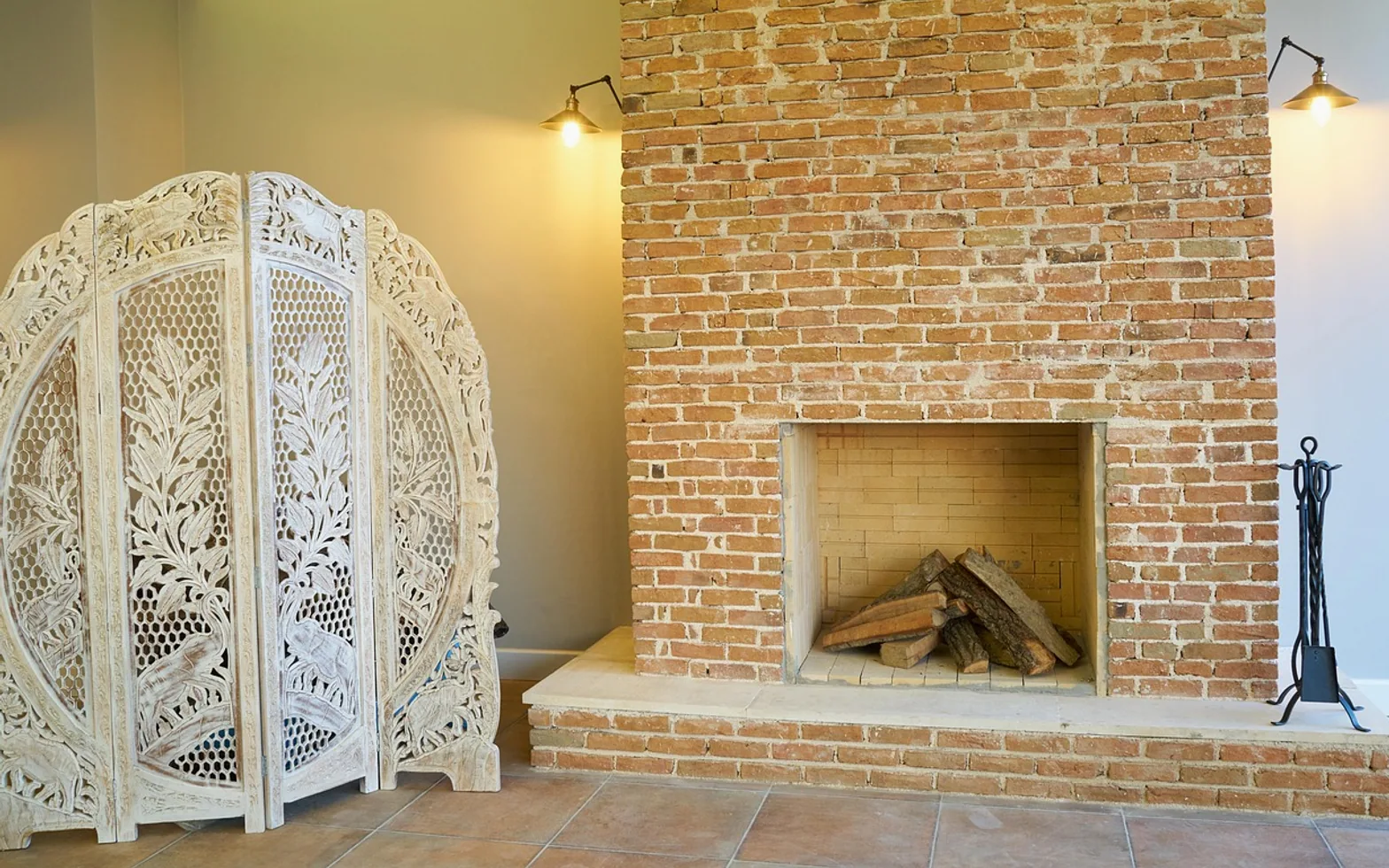
A clean hearth draws better and looks warmer. Here is how to clean a fireplace step by step, which jobs to leave to a chimney sweep and how to deal with ash safely.
· 4 min read
· 4 min read
· 3 min read
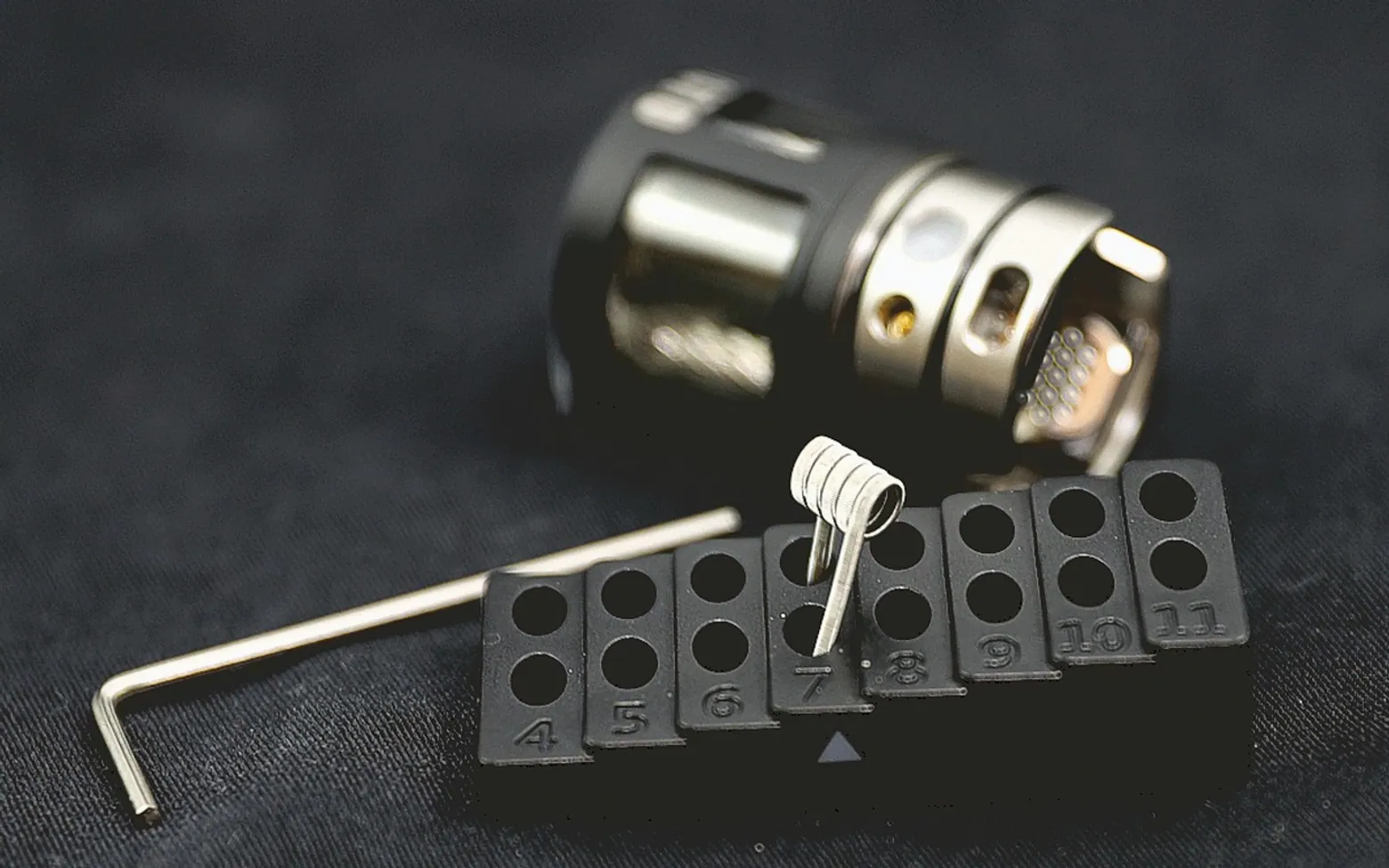
Browse the vape shelf of any convenience shop and the choice can feel endless. Bright packaging, bold flavour names and big promises compete for attention, which makes it hard for adult smokers…
Month by month on the porch
A loose calendar of chores and small pleasures, kept on the back of the pantry door.
Drain the outdoor taps, clear the gutters, book the chimney inspection and get the new woodpile stacked under a lid.
Keep the heating ticking over, listen for knocking pipes, top up the bird feeders and enjoy the fire you prepared for.
Look over the roof from the ground, give the firebox its end-of-season scrub and sketch any outdoor building while the soil is soft.
Long evenings round the fire pit, potatoes in a skillet over the coals and an unhurried start on splitting next winter’s logs.
Fireside long read · Travel
· 2 min read
Some songs work like bookmarks. Hear the opening bars and you are back at a cousin's wedding, a leaving party or a long car ride with the radio turned up. A karaoke room gathers those bookmarks in one place, which is why an evening of singing in Magok-Balsan can feel less like a night out and more like a photo album with a microphone attached.
A gathering of grown-up siblings, parents and in-laws works best when every age group gets a moment. Older relatives may reach for trot songs or classic ballads, parents for the pop of their twenties, younger cousins for whatever has been trending this month. Rather than treating those as rival tastes, let them sit side by side. A thirty-year-old belting out a grandparent's favourite, slightly off-key and grinning, tends to become the story everyone retells.
A few small habits help:
When several generations come along, an earlier start keeps things comfortable. Have dinner near the station at a restaurant with proper chairs and a quieter corner, then move on to a song room while energy is still high. Book a room with enough seating that nobody spends two hours perched on an armrest. Before deciding, browsing a local venue's own pages, such as https://salonglendas.com, is a calm way to get a sense of the place and plan around it.
Memories fade faster than people expect, so hold on to a little of the evening:
Agree on the end time before the last song begins, and check when the final trains leave from the nearest station. Older relatives may prefer a taxi straight to the door; order it a few minutes early so nobody waits on the pavement. Anyone who has had a drink should leave the driving to someone else or to the morning. A quiet ride home, with the new playlist already playing on someone's phone, is a gentle close to an evening that will be talked about for years.
Fireside long read · Tech
· 3 min read
Proteases are often described as molecular scissors, but in living tissue they behave more like switches. A single cut can activate a hormone, release a growth factor from the matrix around a cell or set the clotting cascade in motion. Serine proteases, named after the serine amino acid that drives the cutting inside their catalytic pocket, form one of the largest families of these switches, and the antibodies raised against them have become everyday tools for laboratories that want precise answers rather than broad impressions.
Serine proteases take part in coagulation, digestion, immune defence, inflammation and tissue remodelling. Many are produced as inactive precursors and switched on only when needed, so the amount of protein present does not always match the amount of activity. That subtlety is exactly why researchers want reagents that can tell family members apart and show where each one sits in a cell or tissue.
Some members are anchored in the cell membrane rather than released. The transmembrane serine proteases, usually abbreviated TMPRSS, are a good example: they sit on the cell surface, where they can process neighbouring proteins and influence how cells interact with their surroundings. Well-characterised TMPRSS antibodies give teams a dependable way to follow these surface enzymes across tissue sections, cell lines and lysates, which makes comparisons between samples far more meaningful.
| Method | What it reveals |
|---|---|
| Immunohistochemistry | Which cells in a tissue express the protease, and in what pattern |
| Western blot | Relative abundance, plus whether precursor or processed forms dominate |
| ELISA | Quantitative comparison across many samples |
| Flow cytometry | Cell populations that carry a protease on their surface |
| Immunofluorescence | Location inside or on the cell, often next to partner proteins |
Used together, these methods let a project move from asking whether a protein is present to asking where, in which form and alongside what. That progression sits at the core of precision bioscience, where the aim is to describe biology at the level of specific molecules and cell types rather than whole organs or broad disease labels.
Because family members can share structural features, specificity is the first question any team should ask. Good practice includes checking an antibody against knockdown or knockout samples, confirming the expected band size and testing it in the exact application planned rather than assuming that success in one method carries over to another. Lot-to-lot consistency matters too; a reagent that behaves differently from batch to batch quietly undermines long studies.
Documentation is the other half of the picture. Recording clone, host species, dilution, blocking conditions and antigen retrieval steps allows colleagues and reviewers to repeat the work. Many groups now treat reagent records with the same care as their raw data.
Protease biology connects to several research areas that attract wide interest, including tumour invasion, tissue repair, inflammatory disease and the way some viruses make use of host enzymes when entering cells. In each case, antibodies help researchers form hypotheses: a protease that appears at the edge of a lesion, or only in one cell subset, becomes a candidate for closer study.
Those observations are starting points, not conclusions. Moving from an interesting staining pattern to a validated biomarker or therapeutic target takes careful controls, independent methods and, eventually, clinical research. Reliable antibodies make each of those steps more trustworthy, which is the practical reason they have become such a steady presence in modern laboratories.
Fireside long read · Tech
· 2 min read
A hand-drawn logo scanned at a small size looks fine on a phone and terrible on a banner. Pixels simply run out when an image is stretched. Vector files avoid the problem because they describe shapes with paths rather than coloured squares, so the same drawing stays sharp on a business card, a shop sign or a cutting machine. Browser-based converters have made the jump from a flat picture to a vector file much quicker than tracing by hand in desktop software.
Automatic tracing works best when the picture already looks a bit like a vector:
Detailed photographs are a different story. A converter will produce something, but the result is usually a heavy file made of thousands of shapes that looks like a poster effect. For photos, keeping a high-resolution raster image is often the better choice.
When a quick result is all that is needed, a simple page where you can convert to svg in a few clicks fits nicely into a busy afternoon, especially for small business owners and crafters who would rather spend their time on the design itself than on learning complex software.
Colour count is the main control. Fewer colours mean fewer shapes, smaller files and cleaner edges. Smoothing decides whether corners stay sharp or become rounded; logos with crisp angles usually want less smoothing. A noise or speckle filter removes tiny dots that would otherwise become their own paths. It is worth trying two or three combinations, because the right balance changes from image to image.
Even a good trace can benefit from a short check in a vector editor. Merge shapes that share a colour, delete stray fragments, and make sure text-like shapes line up. For web use, an optimiser can strip out unnecessary data so the file loads quickly. For cutting machines, check that outlines are closed and that there are no overlapping duplicates that would cut twice.
A clean vector version of a logo can be scaled for signage, recoloured for seasonal campaigns, embroidered, printed on mugs or used as a sharp website icon. Keep the original image alongside it and name versions clearly, so the next person who needs the artwork can find it without starting again.
Fireside long read · House
· 3 min read
A deck tends to go wrong in the planning months rather than the building weeks. Most of the frustrating moments people describe afterwards, such as a staircase in the wrong spot, a railing that blocks the view or a surprise line on the final invoice, trace back to a decision nobody pinned down early. Breaking the project into stages gives each of those decisions a proper moment.
Before any builder visits, sit outside where the deck will go and imagine ordinary use. Where does the grill live, and which way does the smoke drift? How many chairs fit around the table with room to push them back? Does anyone want shade in the late afternoon, or a spot for a hot tub later? Write the answers down in plain language. A short brief like this lets a contractor talk about real needs instead of guessing from a photo you saved online.
Put a spending range next to the brief rather than one fixed figure, and mark which wishes are essential and which could wait for a second phase. That split protects the core of the plan if quotes come in higher than hoped.
Invite a few firms to look at the site. Pay attention to the questions they ask. A careful builder will check the slope, the soil, the doorway height and drainage around the house before talking about boards. Ask to see finished projects of a similar size, ask who will actually be on site each day, and ask how changes are priced once work has started.
Local experience counts, because weather shapes material choice. In the damp Pacific Northwest, for example, many homeowners researching composite deck tacoma builders are drawn to boards that shrug off rain and need far less sanding and staining than timber, leaving more weekends free to actually sit outside.
Once you choose a builder, the written proposal becomes the map for everyone. A useful one covers:
If something matters to you and it is not on the page, it is not part of the job yet. Ask for it to be added before signing.
Many areas require a permit for decks above a certain height or attached to the house. Rules vary, so confirm with the local building office or let the contractor handle the application. While paperwork moves, look at physical samples in daylight next to your siding; colours shift a lot between a showroom and a north-facing wall. Agree on a start window, and talk about what happens if rain stops work for a few days.
When the last board is down, walk the deck with the builder. Check that railings feel solid, stairs are even, fasteners sit flush and water drains away from the house. Ask for care instructions and any product warranty papers, then keep them with your home records. A calm handover like this is the payoff for all the early planning, and it means the first evening outside can be spent relaxing rather than making a list of fixes.
Fireside long read · Streaming
· 2 min read
There is no single type of Dutch viewer. A student in a shared house in Groningen, an expat engineer in Eindhoven, a family with three children in Utrecht and a retired couple on the coast all want different things from television. Internet-based TV has become popular in the Netherlands partly because it can be shaped around each of those households, rather than offering the same fixed package to everyone. Looking at it group by group shows why it is often a sensible fit.
Shared housing and frequent moves make traditional subscriptions awkward. Nobody wants to arrange an installation appointment for a room they will leave next year. Internet television works on a laptop or a cheap streaming stick and moves with the person. The main points to check are whether the plan can be paused or cancelled at short notice and whether the house Wi-Fi can cope when several housemates stream at once.
Many people living in the Netherlands want Dutch channels to settle in and learn the language, plus channels from home to stay in touch. Internet television makes that combination simple in one guide. Subtitles on Dutch programmes can turn an evening on the sofa into gentle language practice. A good starting point for this mix is IPTV Nederland, which pairs Dutch favourites with international channels so newcomers and long-time residents alike find what they need.
For parents, the important features are profiles, a PIN for older content and enough parallel streams that nobody has to fight for the remote. Replay is a quiet hero here: the children's programme that clashed with dinner can be watched afterwards, and the parents' series waits until the house is quiet.
People working from home often like news or background programmes on a second screen during the day. Older viewers usually value something else entirely: large, readable menus, a simple remote and their usual channels in a familiar order. A favourites list set up once by a family member can make the switch painless.
| Household | Check first |
|---|---|
| Students | Short notice periods, works on a laptop |
| Expats | Dutch plus home-country channels, subtitles |
| Families | Profiles, PIN lock, several screens at once |
| Remote workers | Multi-device use, replay during the day |
| Older viewers | Clear menus, easy remote, favourites list |
Whatever the situation, a few basics apply. Make sure the broadband connection is steady at peak times, try the service on your own devices before committing and read how renewal works. Sensible households also check that the company behind the service has permission to stream its channels in the Netherlands. With those checks done, internet television tends to suit Dutch homes well: it is quick to set up, comfortable to live with and flexible enough to change as the household itself changes.
Fireside long read · Streaming
· 2 min read
Switzerland packs four national languages, dozens of cantons and very different ways of living into a small country. A family in Geneva, a commuter in Zurich, a retired couple in a Ticino village and a ski instructor in a Graubünden chalet do not watch the same television, and they rarely watch it in the same way. That diversity makes the country an ideal fit for internet-delivered television, which adapts to the viewer rather than asking every home to accept the same package.
Swiss households often follow programmes in more than one language. French-speaking regions look toward French broadcasters as well as their own, German speakers watch German and Austrian channels alongside Swiss ones, and Italian speakers tune in to Italian networks. Internet television makes it straightforward to combine these in one channel list and switch audio or subtitles where broadcasters offer alternatives. For language learners and bilingual families, that flexibility is a daily convenience rather than a technical extra.
Switzerland's broadband is generally strong, with fibre in many towns and good coverage in valleys that were once hard to reach. That matters because internet television only needs a reliable connection, not a satellite dish pointed past a mountain or a cable outlet in every room. A holiday flat or chalet can be set up with nothing more than a streaming stick and the household's existing login, provided the service allows use at a second address.
For viewers who want Swiss and neighbouring channels together, IPTV Suisse brings that cross-border mix into a single service designed with Swiss homes in mind.
Precision is a national habit, so it fits to check details carefully. Confirm that the channels you care about are in the list, test picture quality on your own connection during the evening, and find out how many devices may stream at once. Pick a provider authorised to broadcast its line-up in Switzerland, and remember that the household media fee is a separate legal obligation that applies however programmes are received.
Many Swiss households already bank, shop and plan travel through apps. Television that works the same way feels natural: open the app, pick a programme, carry on later on another screen. The appeal is not novelty but fit. Internet television lets the country's mix of languages, landscapes and lifestyles shape the viewing experience, rather than squeezing everyone into one standard box under the TV.
Fireside long read · Guides & Tips
· 3 min read
Stand at almost any kitchen counter in the evening and look down at your hands. Chances are your own head and shoulders are throwing a shadow over the chopping board, because the main ceiling fixture sits behind you. Wall cabinets make it worse by blocking light from above. That shaded strip is the reason so many cooks end up squinting at a recipe card or leaning sideways to see a knife edge, and it is exactly the problem a light mounted beneath the cabinets was made to solve.
A fixture tucked under the cabinet shines straight down onto the worktop from in front of you, so there is nothing between the source and the task. Peeling, measuring and reading small print on packets all become easier. Fitting under cabinet lighting is one of the simplest upgrades a home kitchen can get, and the range of slim fixtures now available means there is something for shallow cabinets, long runs and awkward corners alike.
The same light also changes the mood of the room. Left on alone in the evening, it gives a soft glow across the backsplash that feels calmer than a bright overhead lamp, which is handy when the kitchen doubles as a place to sit and talk.
| Type | Light pattern | Often suits |
|---|---|---|
| Flexible strip | Even, continuous wash | Long runs of counter with no breaks |
| Rigid bar | Even, slightly brighter line | Standard cabinet widths, tidy look |
| Puck | Pools of light | Accent lighting, glass-front cabinets |
For practical prep work, a continuous line of light avoids the bright-dark-bright pattern that pucks can leave on a glossy worktop. Pucks shine when you want a decorative effect rather than full coverage.
LED fixtures are sold in different colour temperatures. Warmer tones lean yellow and feel cosy; cooler, whiter tones look crisp and show food colours more clearly. Many people pick something in between so the light sits comfortably with the rest of the room. If your ceiling lights are warm, a very cold strip underneath can look out of place, so it helps to match them roughly. Some products let you switch between tones or dim the output, which gives one fixture two jobs: bright for cooking, low for late snacks.
A few decisions are worth making before buying anything:
LEDs use little power compared with older bulb types and last a long time, so leaving them on through an evening is easy to live with. Upkeep mostly means wiping grease off the diffuser now and then, since cooking vapour settles on everything near the hob. With that small habit, the counter stays bright, the shadows stay gone and the kitchen feels more welcoming every time someone walks in.
Fireside long read · Guides & Tips
· 2 min read
A garden wedding, a company barbecue under a marquee or a product launch in a converted warehouse can all be undone by one thing: heat that builds up faster than anyone expected. Guests fan themselves with programmes, the food wilts and the speeches feel twice as long. Portable air conditioning is one of the simplest ways to protect an event from that fate, but it works best when it is planned as carefully as the catering.
Every cooling plan begins with a few questions about the venue. How big is the area guests will occupy? Is it a closed tent with sides, an open-sided marquee or a hall with high ceilings? How many people will be inside at the busiest moment, and will there be cooking equipment, stage lighting or a dance floor adding heat? A closed structure holds cool air far better than an open one, and a crowd generates more warmth than many organisers assume. Rental specialists can estimate how many units are needed once they have these details.
Portable units need two things that are easy to overlook: a suitable power supply and a way to push hot air out. Before the day, confirm:
Where the units stand changes how the room feels. Aim cool air toward seating areas and the dance floor rather than at the entrance, where it escapes as people come and go. Keep units away from the band or the speaker's microphone to avoid background hum. Position one near the buffet to keep food fresher and the serving staff comfortable. Switch the units on well before guests arrive so the space is already pleasant when the first people walk in.
In tropical cities heat and humidity arrive together, and damp air can make a crowd feel even warmer. Air conditioning removes some of that moisture, which is part of why it feels more comfortable than a fan alone. For organisers there, aircon rental Singapore offers portable units for tents and indoor venues, so a lunchtime reception or an evening function can stay cool even in the hottest months.
Cooling is not glamorous, and guests rarely mention it when it works. That is the point: comfortable people stay longer, dance more and remember the occasion for the right reasons. Treat temperature as part of the guest experience, plan it early and the weather becomes one less thing to worry about.
Fireside long read · Business
· 3 min read
A sign used to be something painted once and left alone for years. A 4K LED display turns that idea around: the message can change by the hour, the picture holds up when someone stands right in front of it, and the same panel can sell coffee in the morning and announce an evening event a few hours later. The real appeal is not the number in the name but how many different jobs one well-chosen screen can take on.
4K means roughly four times the pixel count of a standard full HD screen. On a small television that difference can be hard to spot, but on a large sign viewed from a short distance it decides whether text looks crisp or blocky. Fine print on a menu, product textures in a shop window and thin lines in a floor plan all stay readable when the pixel grid is dense enough. LED panels add strong brightness and saturated colour, which helps a screen compete with daylight streaming through glass.
The useful question is how close people will stand. A screen on a high wall in a station concourse is read from far away, while a display next to a checkout is read from arm's length. The closer the audience, the more the higher resolution pays off.
Start with the space, not the catalogue. Measure the wall, note where the light comes from at different times of day and estimate the typical viewing distance. Indoor screens near windows need more brightness than those in a dim hallway, and outdoor units need weather sealing as well. Think about mounting, ventilation and where the power and network cables will run before falling for a particular size.
Businesses comparing options often find it easiest to browse a dedicated range, such as this selection of 4K LED signage display screen models, where sizes and formats sit side by side and the right fit for a window, counter or lobby becomes clearer.
A beautiful panel showing a cluttered slide still looks cluttered. A few habits keep signage effective:
LED technology is generally efficient for the brightness it delivers, and many panels allow brightness to drop automatically in the evening, which saves energy and avoids glare. Content management software lets one person update several screens from a laptop instead of visiting each location. Over time, the saving on printed materials and the freedom to react to stock levels or events can matter as much as the picture itself. Exact figures depend on the model, the hours of use and local electricity prices, so it is worth asking suppliers for consumption data for the specific panel being considered.
Fireside long read · Streaming
· 2 min read
The easiest way to understand internet protocol television is not to study the technology but to follow a normal day in a household that uses it. The channels are familiar, the shows are the same ones neighbours talk about, yet the way they fit around work, school and dinner looks noticeably different from the old routine of one box, one screen and one schedule.
At breakfast nobody is sitting in front of the big television. One parent has the morning news running on a tablet leaning on the bread bin, the other glances at the weather on a phone before leaving. Because the channels arrive through the home internet connection rather than a coax outlet behind the sofa, any screen in the house can show them. Someone who misses the headlines can restart the bulletin from the beginning instead of waiting for the next hour.
Under broadcast rules, two programmes airing at the same time forced a choice or a recording set up in advance. With replay features, that problem largely disappears. A cookery show from last night or the second half of a match can be watched during a lunch break. In German-speaking homes, picking an IPTV anbieter that bundles live channels with a generous replay window is a popular way to make those daytime catch-ups painless.
When someone selects a channel, the device sends a request and a server responds with a steady stream of small video packets. The device reorders them and plays them back almost instantly. Adaptive streaming adjusts quality to the connection, so a phone on a weaker signal gets a lighter stream while the living-room TV on fibre gets full HD or better. The household never sees any of this; it just notices that pictures start quickly and rarely stall.
After dinner, the family gathers for a film. Profiles keep everyone's lists separate, so the teenager's thrillers do not crowd the younger child's cartoons. Search covers live, catch-up and on-demand titles in one go, which ends the ritual of flicking through dozens of channels. The Smart IPTV pro app is one example of a player designed for this kind of evening, with a clean programme guide and quick switching between channels on smart TVs and streaming sticks.
Licensing rules for television channels vary between countries, so households should check that their chosen provider is authorised to carry those channels locally and should read the terms of the plan before paying. With those basics settled, the most noticeable change is often simply that television stops dictating the shape of the evening and starts fitting around it instead.
Hearth and home words
Terms that turn up again and again in our house and kitchen guides.
Hobby
Cabbage, salt and a clean jar are all it takes. A step-by-step guide to homemade sauerkraut, from slicing and salting to tasting, storing and knowing when to throw a batch away.
Hobby
Homemade hummingbird nectar takes two ingredients and five minutes. Here is the usual sugar-to-water ratio, what never to add, and the cleaning routine that keeps the feeder safe.
Hobby
Flour, water, a jar and about a week of patience. A day-by-day plan for making a sourdough starter from scratch, keeping it alive and knowing when it is strong enough to bake with.
Guides & Tips
Cast iron is tougher than its reputation, but it does like a routine. Here is how to clean a cast iron pan after supper, rescue a rusty one and store it well.
Hobby
Three easy homemade bird feeders, from a pine cone the children can make to a wooden tray for the porch, with tips on seed, placement and keeping it clean.
Hobby
A ring of stone, a few chairs and a clear night. Here is how to build a fire pit in the backyard that is sturdy, sensible and safe to sit around for years.
House
A clean hearth draws better and looks warmer. Here is how to clean a fireplace step by step, which jobs to leave to a chimney sweep and how to deal with ash safely.
House
Wet wood hisses, smokes and leaves tar in the chimney. A good stack fixes most of that. Here is how to stack firewood so sun and wind can do their slow work.
House
A slow walk around the house in autumn saves a lot of grief in January. Here is how to winterize a house, from the garden hose to the attic hatch.
Business
Moving-out week has a habit of unravelling. Boxes take longer to pack than expected, the removalists arrive late, the internet needs cancelling and somewhere in the middle sits the final clean. It…
We read every message.