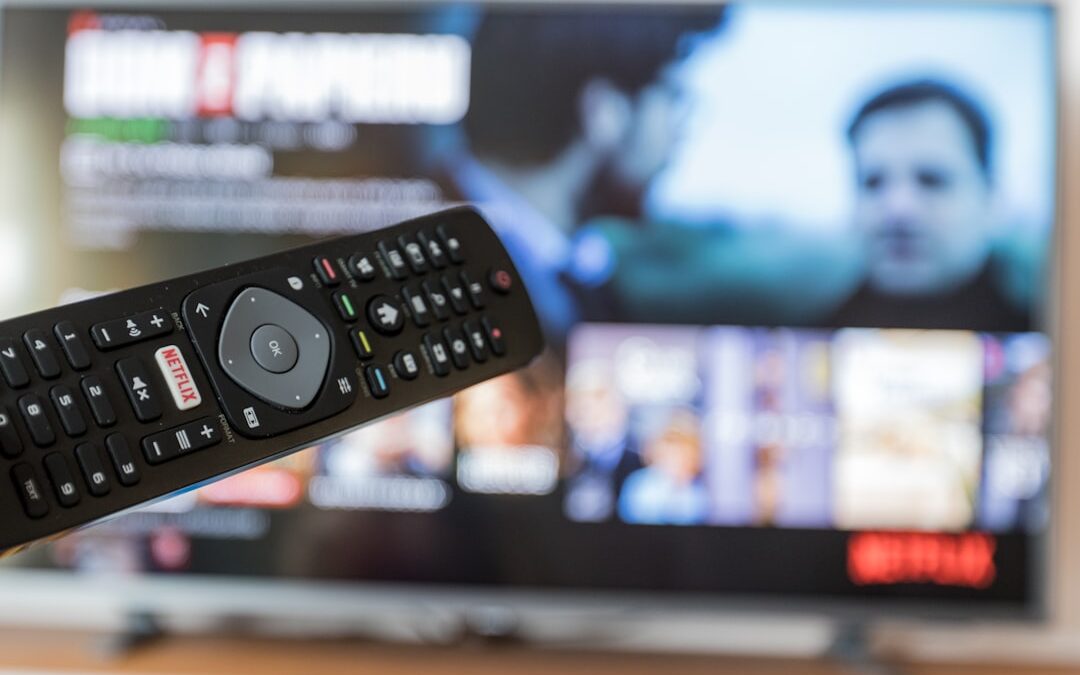
France is experiencing a profound shift in television consumption, and IPTV is at the center of it. As broadband access improves, smart TVs become standard, and audiences grow more comfortable with digital subscriptions, the traditional idea of watching television at a fixed time through conventional broadcast channels is steadily fading. In its place, IPTV offers a more flexible, personalized, and connected experience. Across French households, viewers are increasingly choosing services that let them stream live channels, replay missed programs, and access on-demand libraries from multiple devices. This change is not simply about convenience. It reflects a broader transformation in consumer expectations, where control, variety, and value now define what people want from home entertainment.
Why IPTV Is Gaining Momentum in France
The rise of IPTV in France is being driven by a combination of technological readiness and changing viewer behavior. High-speed fiber internet has expanded significantly across the country, making it easier for households to stream high-definition and even ultra-high-definition content without interruption. At the same time, the cost-conscious consumer is paying closer attention to whether conventional TV packages still justify their price.
We can see that modern audiences no longer want to be tied to rigid programming schedules. French viewers expect television to fit around their routines, not the other way around. IPTV answers that demand by combining live TV, catch-up features, and vast on-demand libraries into a single service. For many homes, this feels less like an upgrade and more like the logical next step in media consumption.
There is also a strong appeal in the breadth of content available. IPTV platforms often provide access to local French programming, international channels, sports, films, documentaries, and children’s content in one place. For users comparing services and features, many turn to resources such as meilleur IPTV France to better understand the market and identify options that align with their viewing habits.
Another major factor is device flexibility. IPTV does not depend on one television set in the living room. Viewers can start a film on a smart TV, continue watching on a tablet, and catch live news on a smartphone while commuting. That level of continuity strongly matches the connected lifestyle of today’s French consumer.
How IPTV Is Changing Viewing Habits
One of the most important effects of IPTV is the way it reshapes everyday viewing patterns. Traditional television was built around schedules and channel loyalty. IPTV, by contrast, is built around user preference. Instead of browsing channels aimlessly, viewers increasingly search by genre, actor, language, or event. The experience becomes more intentional, more interactive, and often more satisfying.
Families in France are also benefiting from the ability to tailor entertainment for different household members. Parents can watch news or drama series, teenagers can stream sports or music content, and children can access age-appropriate programs, all without competing for one fixed schedule. In practical terms, IPTV makes television feel less like a shared timetable and more like a personalized media environment.
Several viewing trends explain why IPTV continues to grow:
- On-demand convenience: audiences can watch what they want when they want.
- Replay and catch-up: missed broadcasts no longer mean missed content.
- Multi-screen access: entertainment follows the user across devices.
- Broader content libraries: viewers can combine local and international programming.
- User control: search, pause, resume, and recommendation tools improve discovery.
This shift has broader cultural implications as well. Television in France is no longer only a linear, passive experience. It is becoming digital, searchable, and highly customized. That evolution puts pressure on traditional broadcasters to modernize their own platforms and develop stronger streaming ecosystems.
The Technology Behind the Boom
IPTV succeeds because it sits at the intersection of several technologies that are now mature enough to deliver a reliable viewing experience. Fast internet connections are the foundation, but they are only part of the story. Smart TVs, Android devices, streaming boxes, and improved app interfaces have all helped make IPTV accessible to mainstream users, not just tech enthusiasts.
We should also note the role of improved compression and content delivery systems. These advances allow IPTV providers to stream high-quality video efficiently, reducing buffering and improving playback stability. Better interfaces have made navigation simpler, while cloud-based infrastructure supports scalable access to live channels and on-demand libraries.
In the French market, several technical features have become especially important:
- High-definition streaming: viewers expect crisp picture quality as a baseline.
- Cross-device compatibility: services must work smoothly across TVs, phones, tablets, and computers.
- Electronic program guides: users want familiar, easy navigation for live content.
- Catch-up integration: replay options are now a standard expectation.
- Stable performance: consistent delivery matters more than flashy features.
As these systems improve, IPTV becomes less of a niche alternative and more of a practical mainstream solution. This is particularly relevant in France, where digital adoption is strong and consumers tend to value both quality and usability. If the service is simple to install, intuitive to use, and rich in content, adoption naturally accelerates.
Challenges, Regulation, and the Future of IPTV in France
Despite the momentum, IPTV’s growth in France also raises important questions about legality, licensing, and service quality. Not every provider operates under the same standards, and consumers are becoming more aware of the difference between legitimate, properly licensed services and unreliable offers that may disappear quickly or expose users to poor security practices.
This is where trust becomes essential. A strong IPTV service is not defined only by the number of channels advertised. It also depends on transparency, content rights, customer support, stream stability, and long-term reliability. As the market expands, French viewers are likely to become more selective and more informed, rewarding providers that combine quality with credibility.
Regulation will continue to shape the sector. Rights holders, broadcasters, and public authorities are paying close attention to the evolving IPTV ecosystem. Over time, we can expect stronger enforcement around unauthorized distribution and a clearer distinction between professional services and questionable operators. That process may actually help the market mature by giving consumers more confidence in the options available.
Looking ahead, the future of IPTV in France appears strong. Several trends support continued growth:
- More fiber connectivity across urban and rural areas.
- Greater demand for personalized media experiences.
- Continued migration from linear TV to streaming-first habits.
- Rising interest in international and niche content.
- Smarter recommendation systems and improved interfaces.
In the long term, IPTV may not merely coexist with traditional television. It may become the default model for how television is delivered and consumed in France.
France’s IPTV boom is transforming television from a fixed, one-directional medium into a flexible, user-centered experience. Faster internet, smarter devices, and changing expectations have all contributed to this rapid evolution. For viewers, the benefits are clear: more freedom, more choice, and more control over how entertainment fits into daily life. For the media industry, the message is equally clear: adapt to digital-first consumption or risk losing relevance. As IPTV continues to mature, it is poised to redefine the French TV landscape in ways that feel not only innovative, but increasingly inevitable.