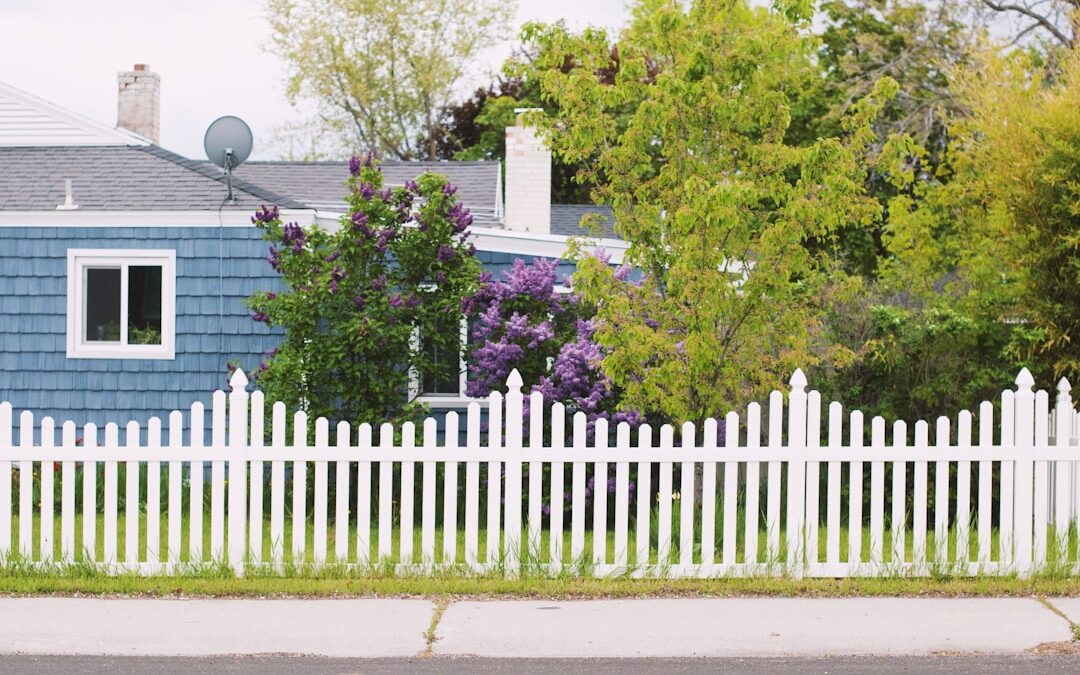
A fence does far more than define a boundary. It protects privacy, improves security, frames landscaping, and adds visual value to a property. Yet the final result depends less on the fence alone and more on the contractor behind it. Even premium materials can fail early when installation is rushed, measurements are inaccurate, or site conditions are ignored. That is why choosing the right fencing contractor is one of the most important decisions in any outdoor improvement project. When property owners understand what quality looks like, they are far more likely to enjoy a fence that performs well, looks polished, and lasts for years.
Why the Right Fencing Contractor Matters
Quality fencing contractors bring far more to a project than labour. They provide planning, product knowledge, compliance awareness, and practical solutions based on real site experience. A reliable contractor assesses slope, soil conditions, drainage, wind exposure, and the intended purpose of the fence before recommending a design. That early guidance helps prevent expensive issues later, such as leaning posts, poor gate alignment, or premature corrosion.
Professional installation also affects durability in ways that are not always visible at first glance. Post depth, footing quality, spacing, fastening methods, and level alignment all influence the structural integrity of the fence. A fence may look acceptable on day one, but if those fundamentals are wrong, movement and wear usually appear within a short period. Skilled contractors focus on both appearance and long-term performance.
There is also the matter of local requirements. Setbacks, shared boundary considerations, pool safety rules, and council expectations may all affect fencing projects. Contractors who understand these obligations can help clients avoid delays, disputes, and rework. In many cases, that expertise saves both time and money.
How to Identify a Quality Contractor
Not every contractor who offers fencing services delivers the same standard of workmanship. The best way to evaluate options is to look beyond price and examine professionalism, communication, and proven results. A detailed quote, clear scope of work, and realistic timeline are often strong signs that a contractor runs an organised operation.
It is also wise to ask practical questions before making a decision. Property owners should feel confident about how materials are sourced, how the site will be prepared, and what happens if unexpected issues arise. Strong contractors are transparent about their process and comfortable explaining why they recommend a certain approach.
- Experience with similar projects: Residential, commercial, sloping blocks, pool fencing, or privacy fencing each require different skills.
- Licensing and insurance: Appropriate coverage protects both the client and the contractor during the project.
- References and past work: Photos, reviews, and referrals help confirm consistency and quality.
- Written warranties: Reputable contractors stand behind workmanship and clarify material guarantees.
- Communication standards: Prompt replies, clear documentation, and honest advice often reflect the quality of the final job.
While lower quotes may seem attractive, they can sometimes indicate shortcuts in materials, preparation, or labour. A fair and detailed quote is usually a better indicator of value than the cheapest figure on the page. In fencing, lasting results come from good decisions at the planning stage, not from rushed compromises.
Materials, Craftsmanship, and Long-Term Performance
One of the clearest signs of a quality contractor is the ability to match the right material to the property and the client’s priorities. Timber offers warmth and natural character, but it needs ongoing care. Steel can provide strength and security, though coatings and installation methods are critical to prevent deterioration. Vinyl is low maintenance in some settings, while aluminium is valued for durability, clean lines, and resistance to rust.
For clients seeking a sleek and practical solution, an experienced aluminium fencing company can often deliver an excellent balance of style, strength, and low maintenance. However, even the best material must be installed correctly. Quality craftsmanship includes accurate post placement, secure fixings, well-hung gates, smooth finishes, and tidy transitions around corners, retaining walls, and landscape features.
Contractors who care about lasting performance will also discuss factors that affect the life of the fence after installation. These can include exposure to salt air, sprinkler systems, soil moisture, and contact with garden beds. A thoughtful contractor does not simply build to complete the job; they build with the environment in mind.
- Site assessment: The contractor evaluates the land, access, soil, and existing structures.
- Material recommendation: The best option is selected based on function, appearance, budget, and maintenance goals.
- Installation precision: Posts, panels, rails, and gates are fitted with proper alignment and support.
- Finishing and inspection: The completed fence is checked for strength, consistency, and visual quality.
This combination of smart product selection and precise workmanship is what separates an average fence from one that continues to perform and look good over time.
Protecting Your Investment After Installation
Even a well-built fence benefits from routine attention. Quality contractors often provide care guidance because maintenance plays a direct role in longevity. The exact needs will vary by material, but simple habits can prevent avoidable damage and preserve appearance.
Regular inspections are especially useful after storms, seasonal ground movement, or heavy use of gates. Minor issues such as loose hardware, early surface wear, or shifting soil can often be corrected before they turn into expensive repairs. Keeping vegetation under control also matters, as dense growth can trap moisture, hide damage, and place pressure on panels or rails.
- Wash the fence periodically to remove dirt, salt, and organic buildup.
- Check posts and gates for movement, sagging, or alignment issues.
- Trim nearby plants to reduce moisture retention and surface wear.
- Address chips, scratches, or coating damage before corrosion or decay develops.
- Schedule professional repairs promptly when structural concerns appear.
When installation quality and maintenance work together, the fence is more likely to retain both its function and curb appeal. That long-term view is what turns a fencing project into a worthwhile investment rather than a short-term fix.
Choosing a fencing contractor should never be treated as a minor step in the process. The right professional helps shape the design, ensures compliance, installs with care, and supports long-term durability. By focusing on experience, transparency, workmanship, and suitable materials, property owners can avoid common pitfalls and achieve a result that stands the test of time. A lasting fence is rarely the product of chance; it is the outcome of quality decisions from the very beginning.