Sushi for Modern Palates: Nutrition, Technique, and Tradition
Sushi may be the most widely travelled dish on the planet. It began as a way to preserve fish in fermented rice, became a quick snack sold from stalls in old Edo,…
· 2 min read
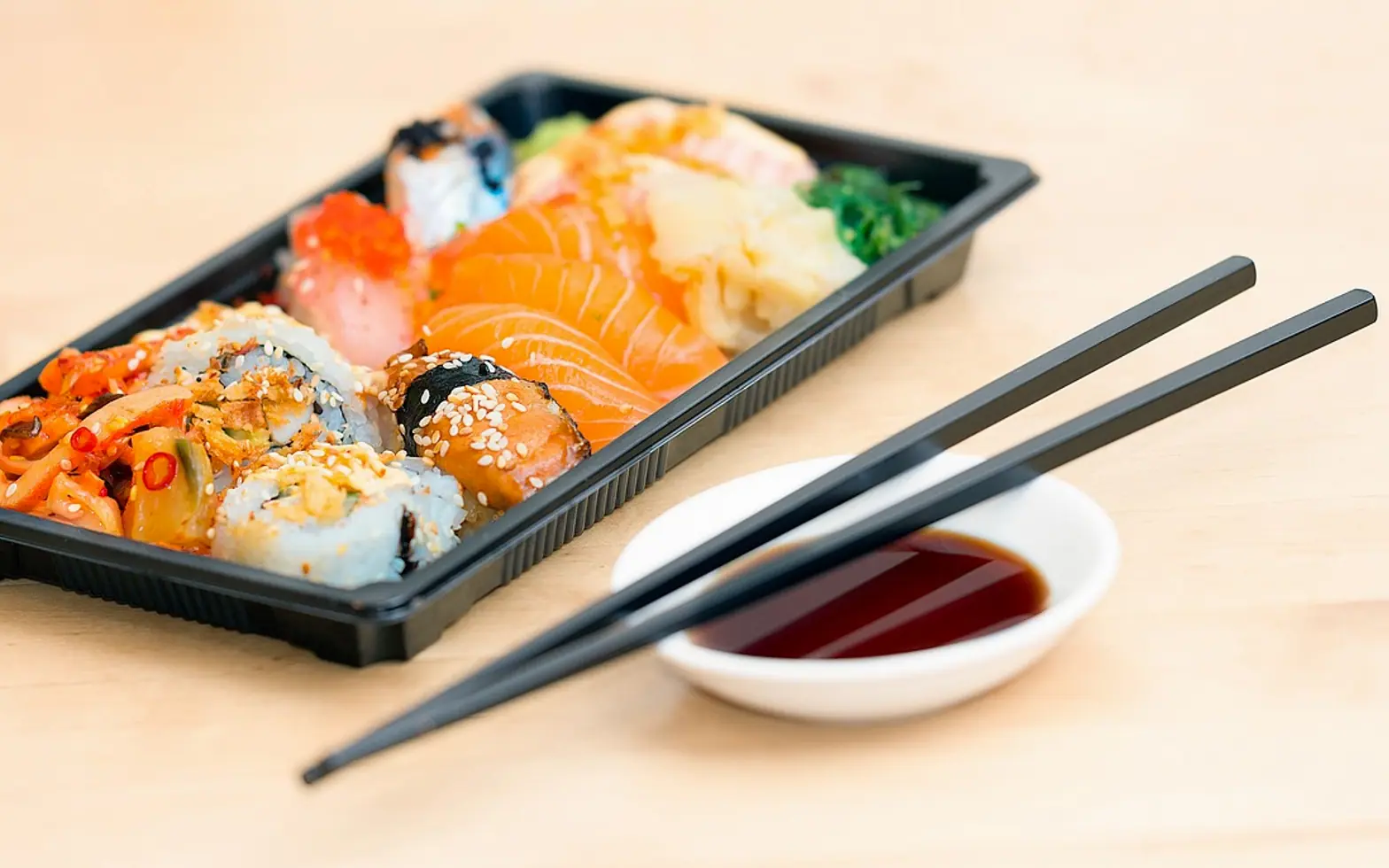
Sushi may be the most widely travelled dish on the planet. It began as a way to preserve fish in fermented rice, became a quick snack sold from stalls in old Edo, and now appears on menus in cities hundreds of miles from any coastline. A plate of Sushi in Phoenix is a good example of how far the craft has come: skilled kitchens serve carefully handled seafood in the middle of the desert, and diners there expect the same balance of rice, fish and seasoning as anywhere else.
The rice comes first
Chefs often say sushi is judged by its rice before its fish. Short-grain rice is washed until the water runs clear, cooked so each grain stays distinct, then folded with a seasoning of vinegar, sugar and salt while it cools. The aim is rice that holds together when lifted yet loosens gently in the mouth. Served close to body temperature, it carries the flavour of the topping without overpowering it.
Fish, freshness and handling
Good sushi depends on supply chains as much as knives. Fish intended to be eaten raw is handled under strict temperature control, and many varieties are frozen at set stages to reduce parasite risk. Knife work then shapes the texture: some cuts are thin to show translucency, others thicker to highlight richness. Diners do not need to know every technique, but clean, firm slices and a fresh sea smell are sound signs.
A balanced plate
Sushi fits comfortably into a varied diet. Fish supplies protein and, in oily varieties such as salmon or mackerel, omega-3 fats. Seaweed, cucumber, avocado and pickled ginger add variety. The less obvious factors are portion size and salt: soy sauce adds up quickly, and rolls topped with creamy sauces or tempura flakes are richer than they look.
- Mix nigiri and sashimi with vegetable rolls for balance.
- Dip the fish side, not the rice, so the piece absorbs less soy sauce.
- Start with miso soup or a seaweed salad for a lighter meal.
People who are pregnant, have weakened immunity or live with certain medical conditions are usually advised to be careful with raw fish, and a doctor can say what suits them. Cooked choices such as eel, tamagoyaki, shrimp and vegetable rolls make it easy to share the meal anyway.
Ordering like a regular
Sitting at the counter is one of the best ways to learn. Chefs often suggest seasonal fish, and an omakase menu lets the kitchen guide the meal from lighter flavours to richer ones. Eating nigiri soon after it is set down keeps the rice at the intended temperature. Picking nigiri up with fingers is perfectly acceptable, and wasabi is often already applied, so adding more is optional. Travellers who seek out sushi in each new city soon notice how regional fish and local tastes shape every menu.
Bringing it home
Home cooks can begin with cooked fillings or vegetables, a reliable rice cooker and a bamboo mat. Fish for raw use should come from a fishmonger who sells it specifically for that purpose. With practice, the qualities that define restaurant sushi, patience, precision and respect for ingredients, can shape a simple roll on the kitchen table.
Small jobs
Little habits that save a cold morning
Five-minute things that pay back all winter.
Tag the shut-off valve
A bright label on the main water valve saves precious minutes if a pipe ever splits.
Keep a torch by the back door
Fetching logs or checking the yard after dark is easier and safer with a light to hand.
Note the box’s model number
When a streaming box misbehaves, the model number takes you to the right help page much faster.
Wipe the pan while it is warm
Cast iron cleans easiest straight after supper, before anything has had time to set hard.
Something to add?
We read every message.