The Essential Guide to Quality Fencing Contractors and Lasting Results
A new fence is one of the few home projects that neighbours, passers-by and the family dog all notice on the same day. It marks the edge of a property, shapes how…
· 2 min read
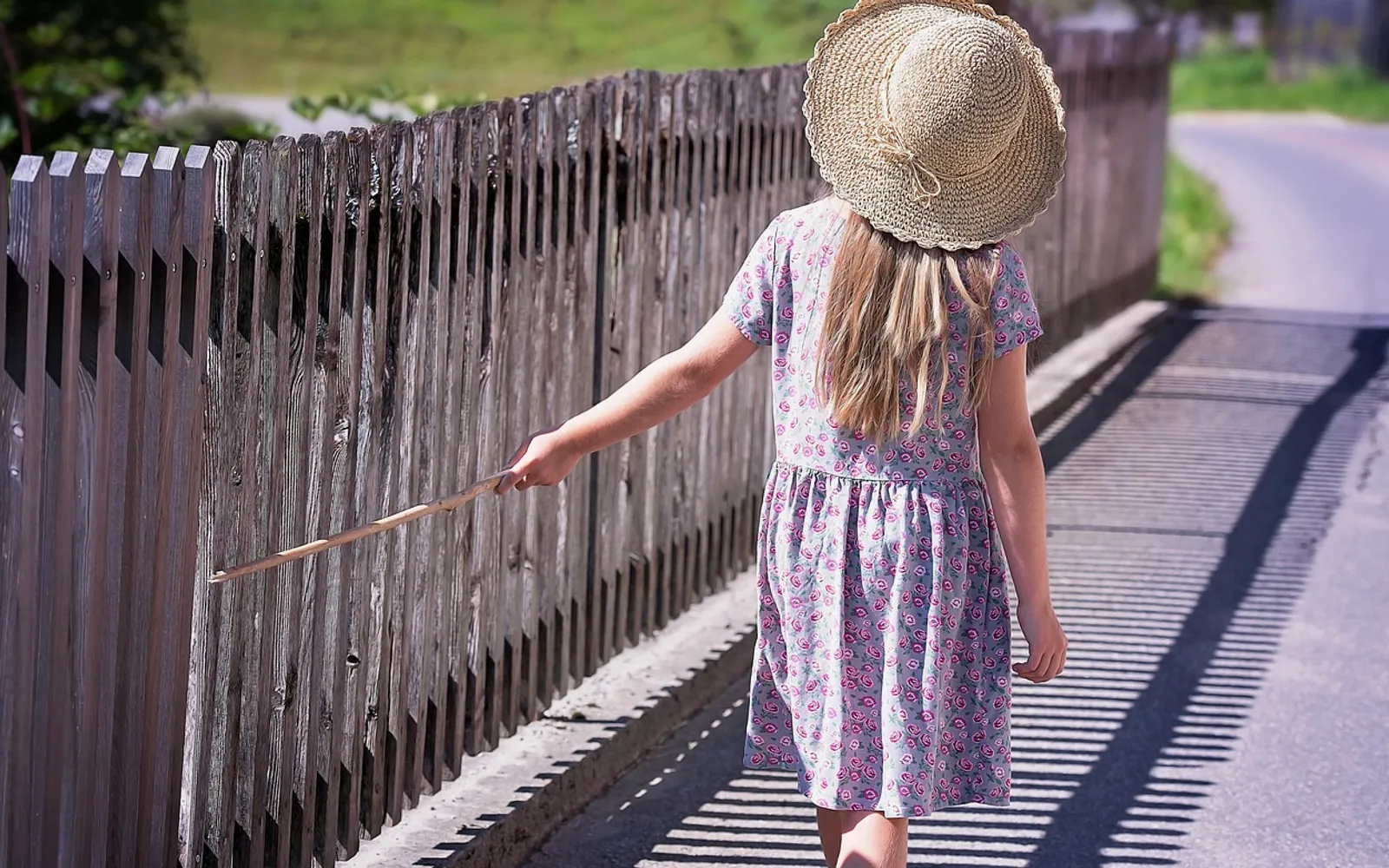
A new fence is one of the few home projects that neighbours, passers-by and the family dog all notice on the same day. It marks the edge of a property, shapes how the garden feels and, done well, keeps doing its job quietly for many years. Done badly, it starts leaning, rattling or rusting long before anyone expected. The difference usually comes down to the people who install it.
Good work starts before the first post hole
Experienced contractors spend time looking at the site before talking about panels or colours. They check the slope of the ground, the type of soil, where water runs after rain and how exposed the line is to wind. They ask about purpose too: privacy from a busy street, a secure run for pets, a pool barrier or simply a tidy boundary. Each answer shapes the design, height and post spacing.
They also raise local requirements early. Councils may have rules on height, front-yard fencing or heritage areas, pool fences must meet safety standards, and dividing fences often involve a conversation with the neighbour. A contractor who mentions these points unprompted is usually one who has handled them many times.
Choosing the right material
| Material | Strengths | Points to weigh |
|---|---|---|
| Aluminium | Light, rust-resistant, low maintenance, suits pools and coastal areas | Less privacy unless slats are close-set |
| Steel panels | Strong, good for privacy, many colours | Cut edges need proper finishing |
| Timber | Warm, natural look | Needs regular sealing or staining |
| Composite | Timber look with less upkeep | Quality varies between products |
For homes near the coast or around pools, many owners lean toward aluminium because it shrugs off salt air and moisture. Working with an experienced aluminium fencing company brings advice on slat spacing, powder-coat colours and gate hardware that suits the specific setting, which helps the finished fence look intentional rather than off-the-shelf.
The details that decide how long it lasts
- Post depth and footings matched to the soil and the fence height.
- Consistent spacing so panels sit square and gates swing freely.
- Compatible fixings that will not corrode against the chosen material.
- Drainage around posts so water does not pool at the base.
- A level, straight line set out with string lines and spirit levels, not guesswork.
Comparing quotes fairly
A low price can hide missing items such as removal of the old fence, gate hardware or site clean-up. Clear quotes list materials, lengths, gate types, footing method and timeline. It is worth asking whether the contractor holds the licences and insurance required in the state, how warranties work and who to call if something needs adjusting later. References from recent jobs, or a drive past a fence they built a few years ago, say more than any brochure.
Once the job is finished, even low-maintenance materials appreciate a little attention. A gentle wash removes dust and salt, gate hinges benefit from an occasional check, and climbing plants are best kept from pressing against panels. With a sound installation and simple care, a fence becomes one of those parts of the home that nobody thinks about, because it simply keeps working.
Small jobs
Little habits that save a cold morning
Five-minute things that pay back all winter.
Tag the shut-off valve
A bright label on the main water valve saves precious minutes if a pipe ever splits.
Keep a torch by the back door
Fetching logs or checking the yard after dark is easier and safer with a light to hand.
Note the box’s model number
When a streaming box misbehaves, the model number takes you to the right help page much faster.
Wipe the pan while it is warm
Cast iron cleans easiest straight after supper, before anything has had time to set hard.
Something to add?
We read every message.