The Modern Plumber: How Skilled Trades Keep Homes Efficient, Safe, and Ready for Tomorrow
Plumbing is one of those systems that only gets attention when it misbehaves. A slow drain, a cold shower or a damp patch on the ceiling suddenly turns the hidden network of…
· 2 min read
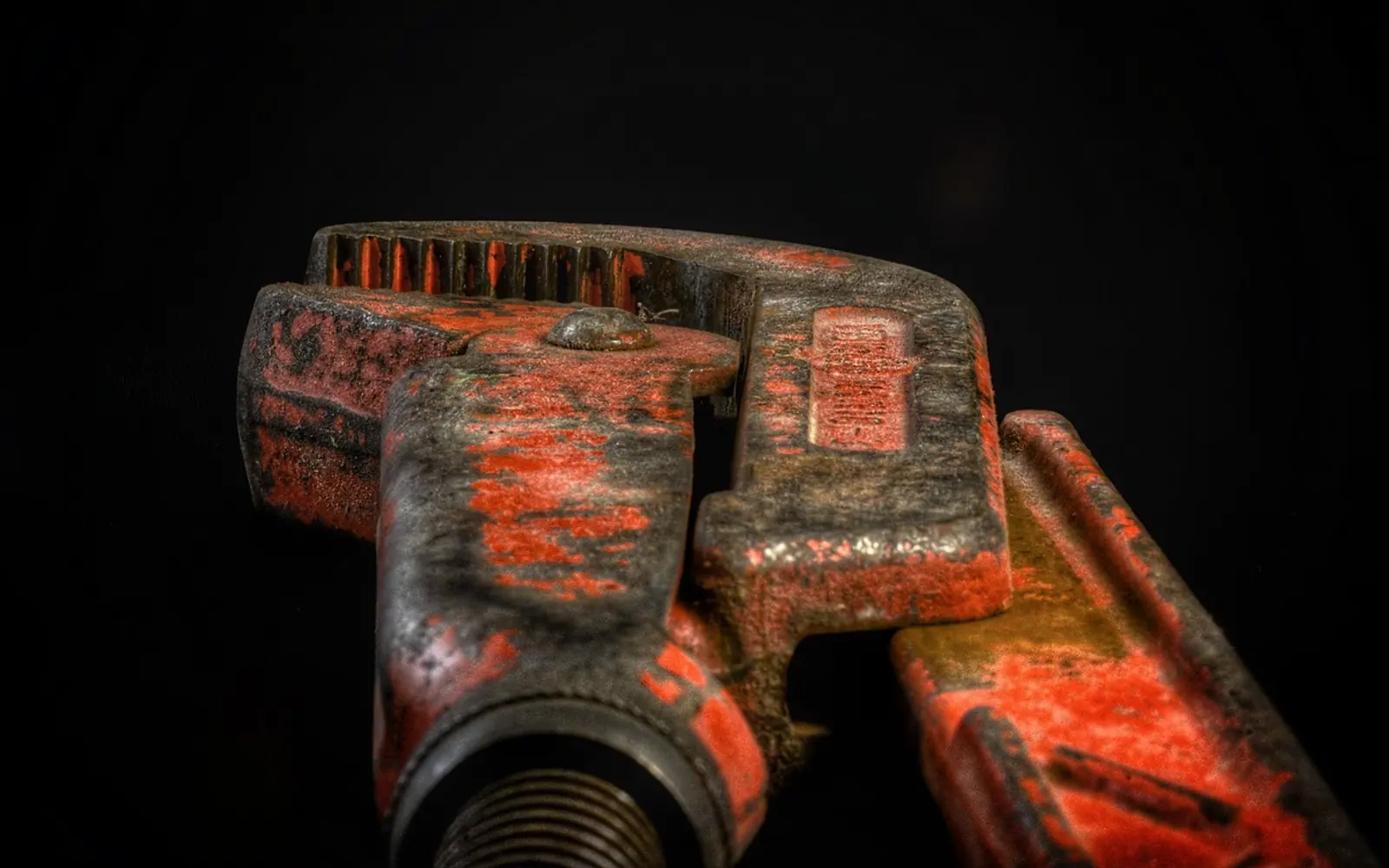
Plumbing is one of those systems that only gets attention when it misbehaves. A slow drain, a cold shower or a damp patch on the ceiling suddenly turns the hidden network of pipes into the most important thing in the house. Behind the scenes, though, the trade has changed a great deal. Today's plumbers are part technician, part detective and part energy adviser, and their work shapes how efficiently and safely a home runs.
Diagnosis before demolition
Not long ago, finding a hidden leak often meant opening walls until the wet spot appeared. Modern tools have changed that. Drain cameras travel through pipes to show cracks, root intrusion or buildup. Thermal imaging reveals temperature differences that point to hot-water leaks under floors. Acoustic detectors listen for the hiss of escaping water. The result is smaller repairs, less mess and quicker answers.
Plumbers also read the system as a whole. Fluctuating pressure can stress fixtures and appliances, and a pressure-reducing valve may protect them. A drain that keeps blocking might need an access point added for future cleaning. Explaining these options clearly is as valuable as the repair itself, and firms such as https://realgoodvalue.com show how a focus on practical, well-explained service can make maintenance feel far less mysterious to homeowners.
Efficiency is now part of the job
- Water-saving fixtures such as dual-flush toilets and aerated taps reduce waste without making showers feel weak.
- Efficient water heaters, including heat-pump and on-demand units, can lower running costs when sized correctly.
- Pipe insulation keeps hot water hotter on its way to the tap and helps prevent freezing.
- Leak monitoring devices can alert owners to unusual flow while they are away.
Choosing among these depends on the home, the local water supply and the household's habits, which is where a plumber's assessment earns its keep.
Safety that residents rarely see
Many plumbers also work on gas lines, where accuracy is essential. Correct venting for water heaters, backflow prevention on garden connections and properly set temperature controls all protect health in ways most people never notice. Building codes exist for good reasons, and licensed tradespeople keep up with them so homeowners do not have to.
Questions worth asking at every visit
- What caused the problem, and could it happen again?
- Are there signs of wear elsewhere that are worth watching?
- Is there an efficiency upgrade that makes sense for this house?
- What simple maintenance can be done between visits?
- Will the work come with written details and a warranty?
Homes keep adding smart thermostats, water-recycling ideas and new heating technologies, and plumbers sit at the centre of those changes, connecting old pipework to new equipment. Treating them as long-term partners rather than emergency callers tends to pay off with fewer surprises and a house that simply works.
Small jobs
Little habits that save a cold morning
Five-minute things that pay back all winter.
Tag the shut-off valve
A bright label on the main water valve saves precious minutes if a pipe ever splits.
Keep a torch by the back door
Fetching logs or checking the yard after dark is easier and safer with a light to hand.
Note the box’s model number
When a streaming box misbehaves, the model number takes you to the right help page much faster.
Wipe the pan while it is warm
Cast iron cleans easiest straight after supper, before anything has had time to set hard.
Something to add?
We read every message.