Choosing the Perfect Retractable Awning for Your Home: Key Factors to Consider
An awning is easiest to choose after spending a sunny day watching your patio. Notice when the glare starts, which chair becomes unbearable first and where the shade from trees or the…
· 2 min read

An awning is easiest to choose after spending a sunny day watching your patio. Notice when the glare starts, which chair becomes unbearable first and where the shade from trees or the house falls at lunch and in late afternoon. Those observations shape almost every other decision, from width and reach to the angle the fabric should sit at.
Start with orientation and reach
A south-facing terrace takes high midday sun, so a modest projection may be enough to shade a table. A west-facing one gets low evening light that slips under the edge of a short awning, which means more reach or a lower pitch helps. Measure the width of the area you want covered and how far out from the wall the shade needs to land. Leave clearance for doors, windows that open outward and anyone walking past.
Modern retractable awnings are a popular answer because they give shade on demand and fold away neatly when you want the sun back or the weather turns, so the patio never feels permanently roofed over.
Fabric and frame
The cover is the part you will look at most, and it takes the most weather. Solution-dyed acrylic is widely used because the colour runs through the fibre and holds up well in strong sun. Polyester and coated fabrics shed water easily. Ask about UV resistance, water repellency and how the material should be cleaned.
Underneath, aluminium frames are common since they are light and resist rust; a powder-coated finish adds another layer of protection. Look at the arms and brackets too, as these carry the load when the awning is fully extended.
Crank, motor or sensor
- Manual crank: simple, fewer parts and no wiring. Fine for smaller widths.
- Motor with remote or wall switch: easier for wide units and for anyone who finds cranking awkward.
- Wind and sun sensors: some motorised models retract automatically when gusts pick up and extend when the sun is strong, which protects the fabric if you are out.
Whatever you choose, an awning is designed for shade rather than storms. Retract it in high winds or heavy rain unless the maker says otherwise.
Colour and style
Lighter colours keep the area beneath feeling brighter, while darker tones block more glare and hide marks. Stripes suit traditional houses; plain, muted shades often sit better on modern facades. Hold a fabric sample against your brick or render in daylight before deciding, and consider whether you want a valance along the front edge or a cleaner line. A cassette model that encloses the rolled fabric looks tidy and shields it from dirt when closed.
The wall and the fitting
An extended awning puts real force on its fixings, so the mounting surface matters. Solid masonry is usually straightforward; timber cladding, render over insulation or a soffit mount may need special brackets. Professional fitting is worth considering for larger units, and it is wise to check whether your area or building has rules about exterior additions. Fitted well and cleaned now and then with mild soapy water, a good awning can turn a hot, unused corner into the spot everyone heads for on a summer evening.
Small jobs
Little habits that save a cold morning
Five-minute things that pay back all winter.
Tag the shut-off valve
A bright label on the main water valve saves precious minutes if a pipe ever splits.
Keep a torch by the back door
Fetching logs or checking the yard after dark is easier and safer with a light to hand.
Note the box’s model number
When a streaming box misbehaves, the model number takes you to the right help page much faster.
Wipe the pan while it is warm
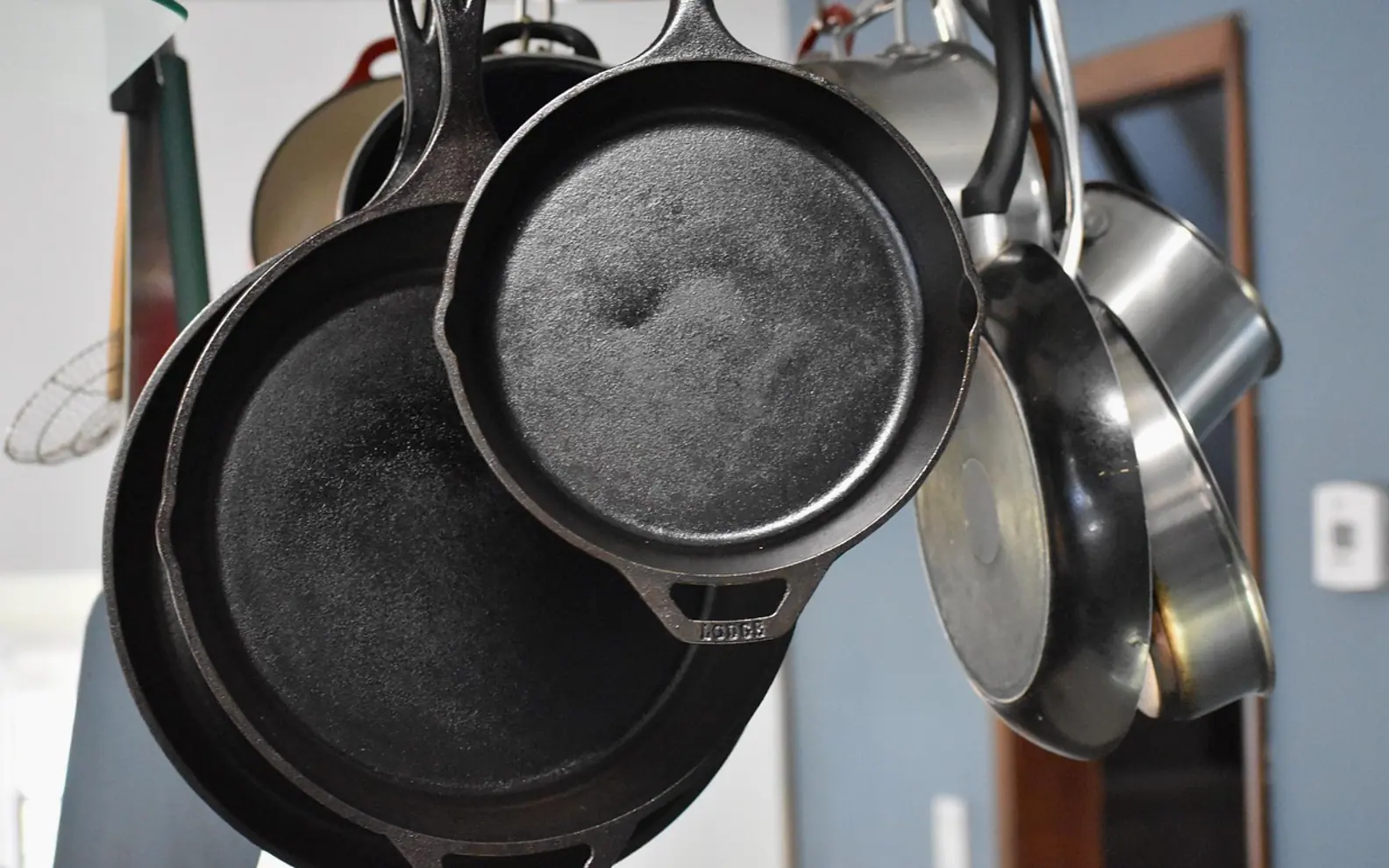
Cast iron cleans easiest straight after supper, before anything has had time to set hard.
Something to add?
We read every message.