Water Damage Restoration: Science, Speed, and Safety for Homes and Businesses
Water is patient and persistent. A slow drip behind a washing machine or a split hose under a sink can spread through floor coverings, climb into plasterboard and settle in places that…
· 2 min read
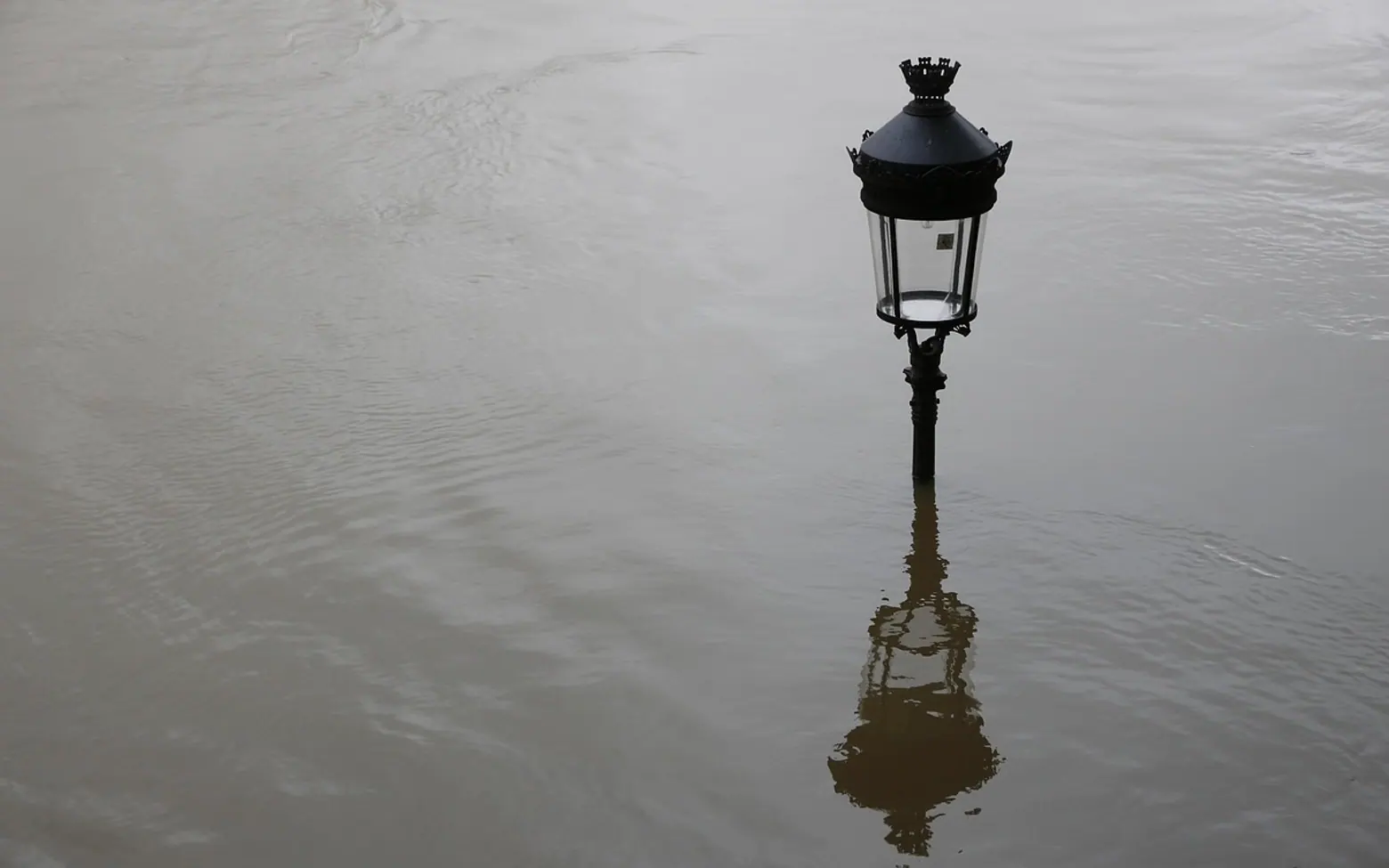
Water is patient and persistent. A slow drip behind a washing machine or a split hose under a sink can spread through floor coverings, climb into plasterboard and settle in places that look dry from the outside. By the time a musty smell appears, the damage is often larger than anyone guessed. Understanding how professional restoration works helps homeowners and business owners react quickly and ask the right questions.
The first hours set the course
Porous materials such as plasterboard, timber, carpet underlay and insulation soak up water and wick it upward and outward. The longer they stay wet, the more likely they are to swell, warp or support mould. Acting early limits how much has to be removed later.
- Stop the source, closing the main water valve if needed.
- Turn off electricity to affected areas if the switchboard can be reached safely.
- Move valuables, documents and electronics somewhere dry.
- Photograph the damage for the insurer.
- Call in a professional water damage restoration team, who can bring extraction and drying equipment and start a structured plan straight away.
Measuring before fixing
Good restoration is guided by readings, not guesswork. Technicians use moisture meters, thermal cameras and hygrometers to map exactly where water has travelled, including inside wall cavities and beneath floors. That map shows which materials can be dried in place and which need removing. It also provides a baseline, so progress can be checked each day until everything returns to normal moisture levels for that material.
Once standing water is extracted, the focus shifts to controlled drying. Air movers push air across wet surfaces, dehumidifiers pull moisture from the room and, in some cases, drying mats or cavity systems target hard-to-reach areas. Balance matters: drying too aggressively can crack timber or plaster, while drying too slowly invites mould. Professionals adjust the equipment as readings change.
Health and safety considerations
Not all water is equal. Clean water from a supply pipe carries less risk than water from an appliance drain, and floodwater or sewage backup calls for protective equipment and disinfection. Mould can cause problems for people with allergies, asthma or weakened immune systems, so anyone who feels unwell after exposure should check in with a doctor. Older buildings may also contain materials such as asbestos or lead paint that should only be disturbed by qualified people.
Planning ahead, for homes and businesses
A shop, office or restaurant that closes for repairs loses trade every day, so restoration teams often work in phases, keeping part of a building open while another section dries. Clear communication with insurers, landlords and staff smooths the whole process.
- Label the main water shut-off valve so anyone can find it.
- Inspect washing machine and dishwasher hoses once a year.
- Keep gutters and downpipes clear before heavy rain.
- Fit simple leak alarms near water heaters and under sinks.
- Store a restoration company's number with other emergency contacts.
Small steps like these cost little, and they make a big difference when every minute counts.
Small jobs
Little habits that save a cold morning
Five-minute things that pay back all winter.
Tag the shut-off valve
A bright label on the main water valve saves precious minutes if a pipe ever splits.
Keep a torch by the back door
Fetching logs or checking the yard after dark is easier and safer with a light to hand.
Note the box’s model number
When a streaming box misbehaves, the model number takes you to the right help page much faster.
Wipe the pan while it is warm
Cast iron cleans easiest straight after supper, before anything has had time to set hard.
Something to add?
We read every message.