What Is a Surge Protector, and Does Your Home Need One?
A surge protector looks like an ordinary power strip, but inside it is doing a very different job. How it works, what the numbers on the box mean, and where it is worth having one.
· 4 min read
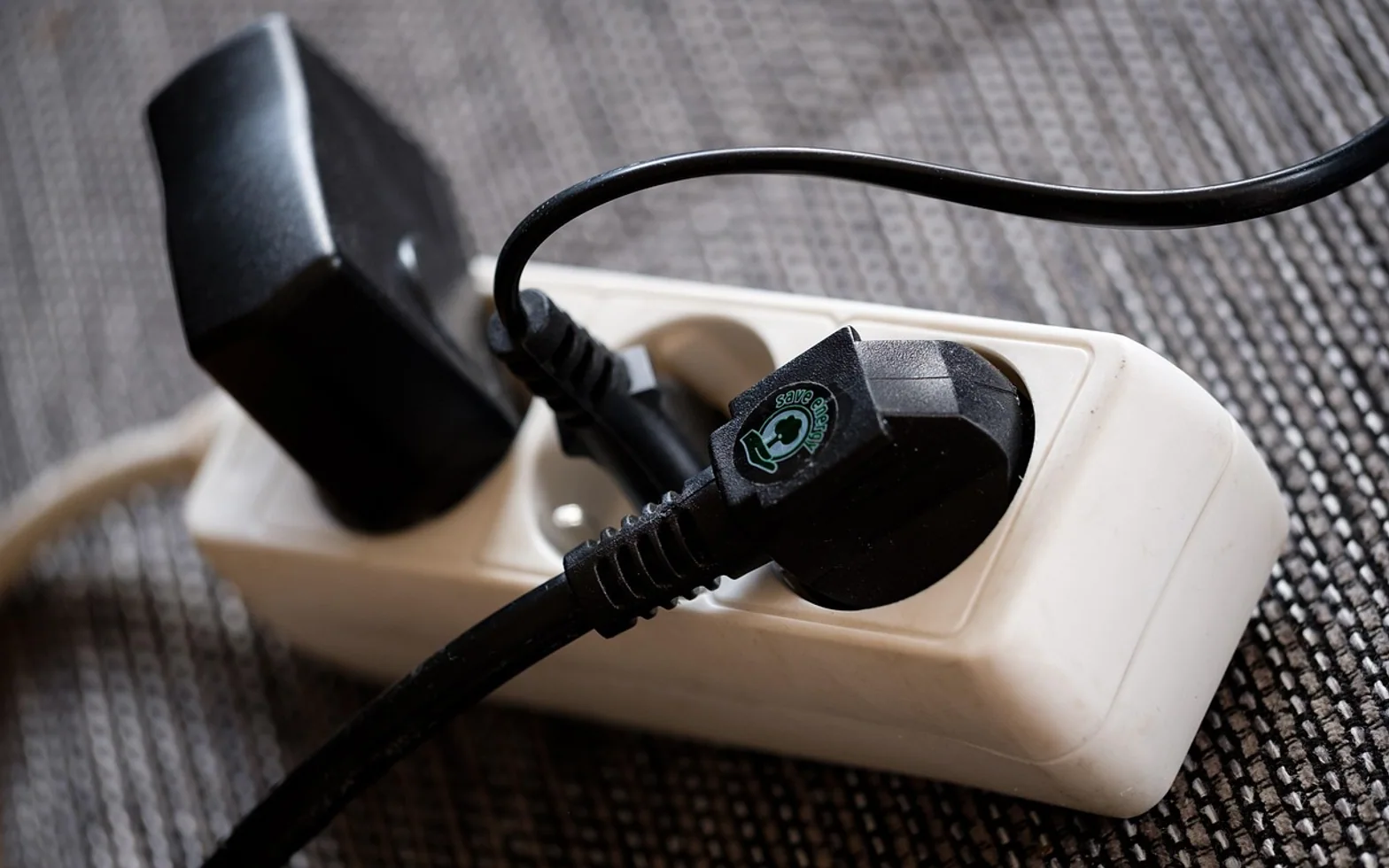
A surge protector is a device that shields plugged-in electronics from brief spikes in voltage. Under normal conditions it simply passes power through. When the voltage suddenly jumps, for instance during a storm or when the utility switches lines, components inside it divert the excess away from your equipment and into the ground wire. Many look like a power strip, but a plain power strip only adds sockets and offers no protection at all.
What a power surge is
A power surge is a short burst of voltage well above the normal level in your wiring. It may last only a fraction of a second, but that is enough to damage the delicate circuits in televisions, computers, routers and appliances with electronic controls. Some surges are dramatic; many are small, repeated events that wear components down over time.
Common sources include:
- lightning striking power lines or the ground nearby
- the utility restoring power after an outage or switching between lines
- large motors in the house, such as air conditioners, well pumps or freezers, starting and stopping
- faulty wiring, either in the home or on the supply side
Homes at the end of long overhead lines, or in areas with frequent thunderstorms, have particular reason to take this seriously.
How it works inside
Most plug-in surge protectors use a component called a metal oxide varistor, or MOV. At normal voltage it does nothing. When the voltage rises above a set threshold, the MOV suddenly conducts and shunts the extra energy to the ground wire. Each surge it absorbs uses up a little of its capacity, which is why surge protectors do not last forever.
Surge protector or power strip?
| Power strip | Surge protector | |
|---|---|---|
| Extra sockets | Yes | Yes |
| Protection from voltage spikes | No | Yes |
| Joule rating on the label | None | Listed |
| Status light | Usually just an on/off switch | Often a "protected" indicator |
| Good for | Lamps, chargers, simple devices | TVs, computers, routers, games consoles, audio gear |
If the packaging does not say "surge protector" and show a joule rating, assume it is only a power strip.
Reading the label
- Joule rating. How much energy the device can absorb before it wears out. A higher number generally means more capacity and a longer working life, which matters more for expensive equipment.
- Clamping voltage (sometimes called voltage protection rating or let-through voltage). The level at which the protector starts diverting energy. Lower means the protection kicks in sooner.
- Safety listing. In the US, look for a recognised testing mark, such as a UL listing to the surge protector standard, on the device itself.
- Indicator lights. A "protected" light tells you the surge components are still working. A "grounded" light confirms the outlet is properly earthed, without which the protector cannot do its job.
- Extra ports. Some models also protect coaxial, phone or Ethernet lines, which surges can travel along too.
Whole-house surge protection
A whole-house surge protective device is installed at the main electrical panel or the meter and guards every circuit in the home against surges coming in from outside. It does not replace plug-in protectors; the two work best together, with the panel device taking the brunt and point-of-use protectors handling smaller spikes generated inside the house. Fitting one involves working inside the electrical panel, so it is a job for a licensed electrician, the same way gas work or a new water heater belongs with a skilled tradesperson rather than a weekend project.
What a surge protector cannot do
No consumer device guarantees safety from a direct lightning strike. During a severe thunderstorm, unplugging valuable electronics is still the surest protection. A surge protector also does nothing during a blackout; for that you need a battery backup, often called a UPS, which some models combine with surge protection.
Using one safely
- Plug it directly into a wall outlet. Do not plug one surge protector or power strip into another.
- Keep space heaters, kettles, hair dryers and other high-wattage appliances on their own wall outlet, not on a strip.
- Do not run the cord under rugs or furniture where it can overheat or be crushed.
- Replace it if it has taken a major hit, if the protected light goes out, or if the casing is cracked, scorched or warm to the touch.
- If lights flicker often or breakers trip regularly, have an electrician check the wiring rather than relying on surge protection to mask the problem.
Where it is worth having one
Start with the equipment that would be most expensive or inconvenient to lose: the TV and streaming box, the home computer, and the router that keeps everyone online. A router that dies after a storm is a common reason for sudden buffering and dropped connections. Then think about the season. Autumn, when you are already working through a checklist to winterize the house, is a good moment to check that the protectors you already own still show a protected light.
Small jobs
Little habits that save a cold morning
Five-minute things that pay back all winter.
Tag the shut-off valve
A bright label on the main water valve saves precious minutes if a pipe ever splits.
Keep a torch by the back door
Fetching logs or checking the yard after dark is easier and safer with a light to hand.
Note the box’s model number
When a streaming box misbehaves, the model number takes you to the right help page much faster.
Wipe the pan while it is warm
Cast iron cleans easiest straight after supper, before anything has had time to set hard.
Something to add?
We read every message.