How to Winterize a House
A slow walk around the house in autumn saves a lot of grief in January. Here is how to winterize a house, from the garden hose to the attic hatch.
· 4 min read
There is a particular afternoon every autumn when the light goes thin and the air smells of leaves and wood smoke from somebody else's chimney. That is the afternoon to winterize the house. Not in a panic the night before the first hard frost, but slowly, with a mug of something hot on the porch rail and a list in your pocket.
Winterizing is simply getting a home ready for cold weather so that water stays where it belongs, heat stays inside and nothing fails when it is hardest to fix. Most of it is ordinary work. A few jobs belong to professionals, and we will say which.
Start outside, while the weather is still kind
Outdoor jobs are easier on a dry, mild day, so take them first.
- Disconnect garden hoses. A hose left attached can hold water against the tap, and that water can freeze back into the pipe. Drain the hose and coil it somewhere dry.
- Shut off and drain outdoor taps. Many homes have an indoor shut-off valve for each outside tap. Close it, then open the outside tap to let the last water run out.
- Blow out or drain irrigation lines. If you are not sure how your system works, an irrigation installer can do this quickly.
- Clear gutters and downspouts. Leaves and grit hold water, and water that cannot drain can back up under roof edges once it freezes. Make sure downspouts point away from the foundation.
- Put away or cover outdoor furniture, and store anything that hates frost, such as terracotta pots and the grill cover you meant to replace.
Keep the water moving inside
Frozen pipes are the classic winter disaster, because ice expands and a split pipe can flood a room once it thaws. A little attention goes a long way:
- Find your main water shut-off valve now and make sure everyone in the house knows where it is.
- Fit foam insulation sleeves on pipes that run through unheated spaces such as crawlspaces, garages and outside walls.
- On very cold nights, open the cabinet doors under sinks on outside walls so warm room air can reach the pipes.
- Keep the heating on when you are away, set to a modest temperature rather than off.
If a pipe has ever frozen in your home before, or you hear knocking and see pressure changes, it is worth having a look from a skilled plumber before winter rather than after. And if the worst does happen, our piece on water damage restoration explains why speed matters once water gets loose.
Seal the drafts
Stand by each door and window on a breezy day and feel for moving air, or hold a lit incense stick nearby and watch the smoke. Wherever it wavers, there is a gap.
- Replace tired weatherstripping around doors and opening windows.
- Add a door sweep to exterior doors that let light through underneath.
- Run a bead of exterior caulk where window frames meet siding, once the old cracked caulk is scraped away.
- Use heavy curtains at night on the coldest side of the house, and open them on sunny days to let the warmth in.
Look after the heat source
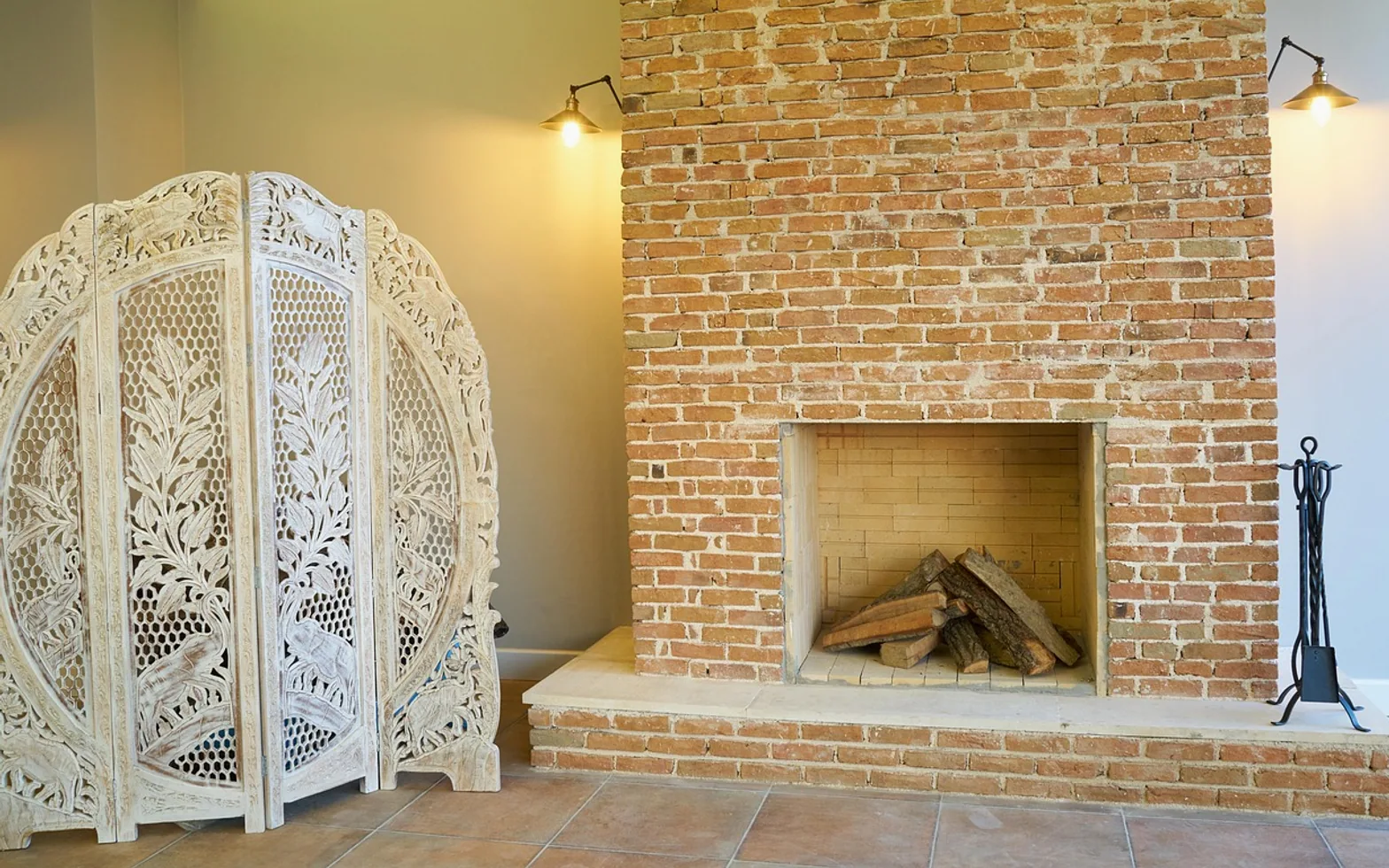
Change or clean the furnace filter, and book the yearly service with a qualified heating technician before the busy season. If you burn wood, the chimney should be inspected by a certified sweep before the first fire. Creosote builds up inside flues and can catch fire. Our guide on how to clean a fireplace covers the parts you can safely do yourself.
Test every smoke alarm and carbon monoxide alarm, and replace batteries where needed. Heating season is exactly when carbon monoxide becomes a real risk. Never run a generator, grill or camp stove indoors or in an attached garage.
Check the roof and attic from the safe side
Walk the perimeter with binoculars and look for lifted shingles, damaged flashing and sagging gutters. Then look up into the attic: is the insulation even, are the vents clear, is anything damp?
A word on ladders. If you do climb, set the ladder on firm, level ground, keep three points of contact, never lean out sideways and have someone foot it for you. Do not climb in wind, rain or anywhere ice might be forming. For anything on a steep or high roof, call a roofer.
A weekend plan
| Area | Jobs | Who |
|---|---|---|
| Garden | Hoses, outdoor taps, irrigation, furniture | You |
| Gutters | Clear leaves, check downspouts | You, or a gutter service for tall houses |
| Plumbing | Shut-off valve, pipe sleeves | You; a plumber for problem pipes |
| Doors and windows | Weatherstripping, sweeps, caulk | You |
| Heating | Filter, yearly service, chimney inspection | Technician and sweep |
| Safety | Smoke and CO alarms | You |
If the house will sit empty
Cabins, holiday homes and houses left for a long trip need extra care. Ask a plumber whether the system should be fully drained, keep some heat on if it is not, unplug small appliances, empty the fridge and leave the door ajar, and ask a neighbour to look in after cold snaps.
None of this is glamorous. But there is real comfort in sitting by the window on the first snowy evening, knowing the taps are drained and the drafts are sealed, and the only thing left to do is watch it fall.
Small jobs
Little habits that save a cold morning
Five-minute things that pay back all winter.
Tag the shut-off valve
A bright label on the main water valve saves precious minutes if a pipe ever splits.
Keep a torch by the back door
Fetching logs or checking the yard after dark is easier and safer with a light to hand.
Note the box’s model number
When a streaming box misbehaves, the model number takes you to the right help page much faster.
Wipe the pan while it is warm
Cast iron cleans easiest straight after supper, before anything has had time to set hard.
Something to add?
We read every message.