How to Clean a Fireplace
A clean hearth draws better and looks warmer. Here is how to clean a fireplace step by step, which jobs to leave to a chimney sweep and how to deal with ash safely.
· 4 min read
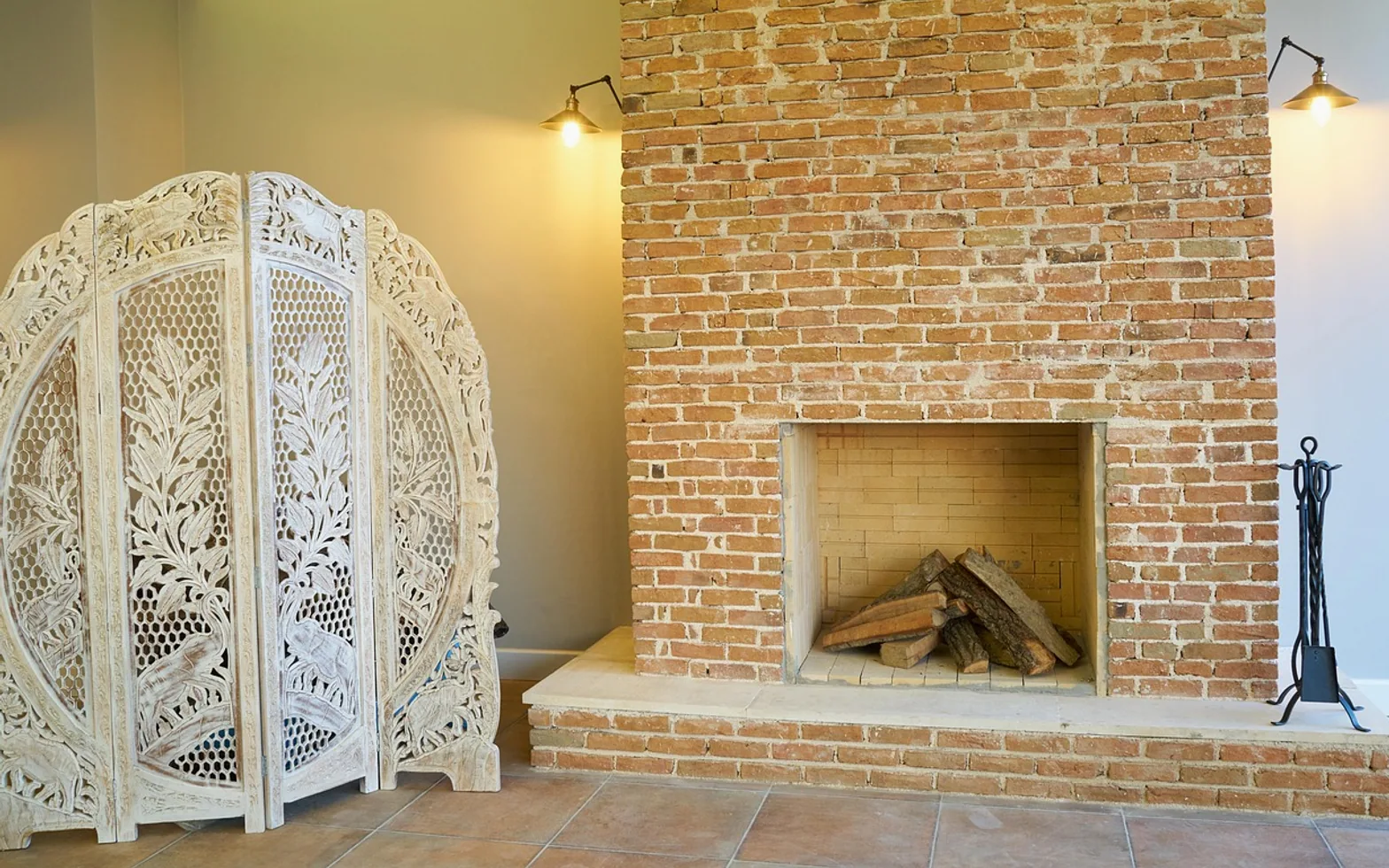
A fireplace asks for very little in return for all those evenings of warmth: a regular sweep-out, a scrub now and then, and a professional look up the chimney once a year. Keep up with those and the fire draws better, the room smells of wood rather than old soot, and you can sit by it without a nagging worry about the flue.
Safety first: wait for truly cold ash
Ash can hide live embers for much longer than it looks, sometimes days. Give the fireplace a good long rest after the last fire before you clean, and test the ash by holding your hand above it before touching anything.
Whatever you remove goes into a metal bucket with a tight metal lid, never a cardboard box, paper sack or plastic bin. Set the bucket outside on a non-combustible surface, well away from the house, decks, fences and woodpiles, and leave it there until you are certain everything inside is cold.
What you will need
- A dust mask and old gloves
- A drop cloth or old sheet for the hearth and floor
- A fireplace shovel and a stiff-bristled brush
- A metal ash bucket with a lid
- A bucket of warm water with a squirt of mild dish soap, and a scrubbing brush
- Rags or sponges you do not mind throwing away
A word about vacuums: a regular household vacuum is the wrong tool. Fine ash can blow straight through its filter, and a stray ember can start a fire inside the bag. If you want to vacuum, use a vacuum designed specifically for ash, and only on fully cold ash.
Step by step
- Protect the room. Lay the drop cloth, open a window a little and close nearby doors so dust does not drift through the house.
- Take out the grate and andirons. Carry them outside, knock off loose ash and brush them down.
- Scoop the ash. Work slowly from the back to the front so you raise as little dust as possible. Some people leave a very thin layer on the floor of a wood-burning firebox through the season; clear it all at the end of winter.
- Brush the walls. Sweep loose soot down from the firebox walls and the area just under the damper, then shovel it out.
- Scrub the firebox. Dip the brush in soapy water, wring it out well and scrub the brick or panels in small sections. Test any cleaner on a hidden spot first, since some masonry stains easily. Avoid soaking the bricks.
- Clean the glass doors, if you have them, with a cleaner made for fireplace glass once the doors are cold.
- Check the damper. It should open and close smoothly. If it sticks, is rusted or will not seal, mention it to your sweep.
- Put everything back and wipe down the hearth and mantel.
The chimney is a job for a professional
Every wood fire leaves deposits inside the flue. The worst of them is creosote, a dark, tarry or flaky residue that is highly flammable. Chimney fires usually start there.
Fire safety organisations recommend having chimneys, fireplaces and vents inspected once a year by a qualified chimney sweep, and cleaned when the inspection calls for it. Sweeps also spot cracked liners, damaged caps and nesting animals, none of which you can see from the hearth. Unless you are trained and properly equipped, do not climb onto the roof or try to scrape the flue yourself. Ladders, steep roofs and soot make a bad combination.
Call a sweep sooner if you notice any of these:
- Smoke drifting into the room instead of going up.
- A strong, acrid smell from the fireplace, especially in damp weather.
- Black flakes falling onto the hearth.
- Loud cracking or a roaring sound from the chimney during a fire. Treat that as an emergency: get everyone out and call the fire service.
How often to do what
| Task | How often | Who |
|---|---|---|
| Remove cold ash | Whenever it builds up under the grate | You |
| Brush and scrub the firebox | A few times each season | You |
| Clean glass doors | As soon as they cloud over | You |
| Inspect chimney and flue | Once a year, before the season | Chimney sweep |
Burn better, clean less
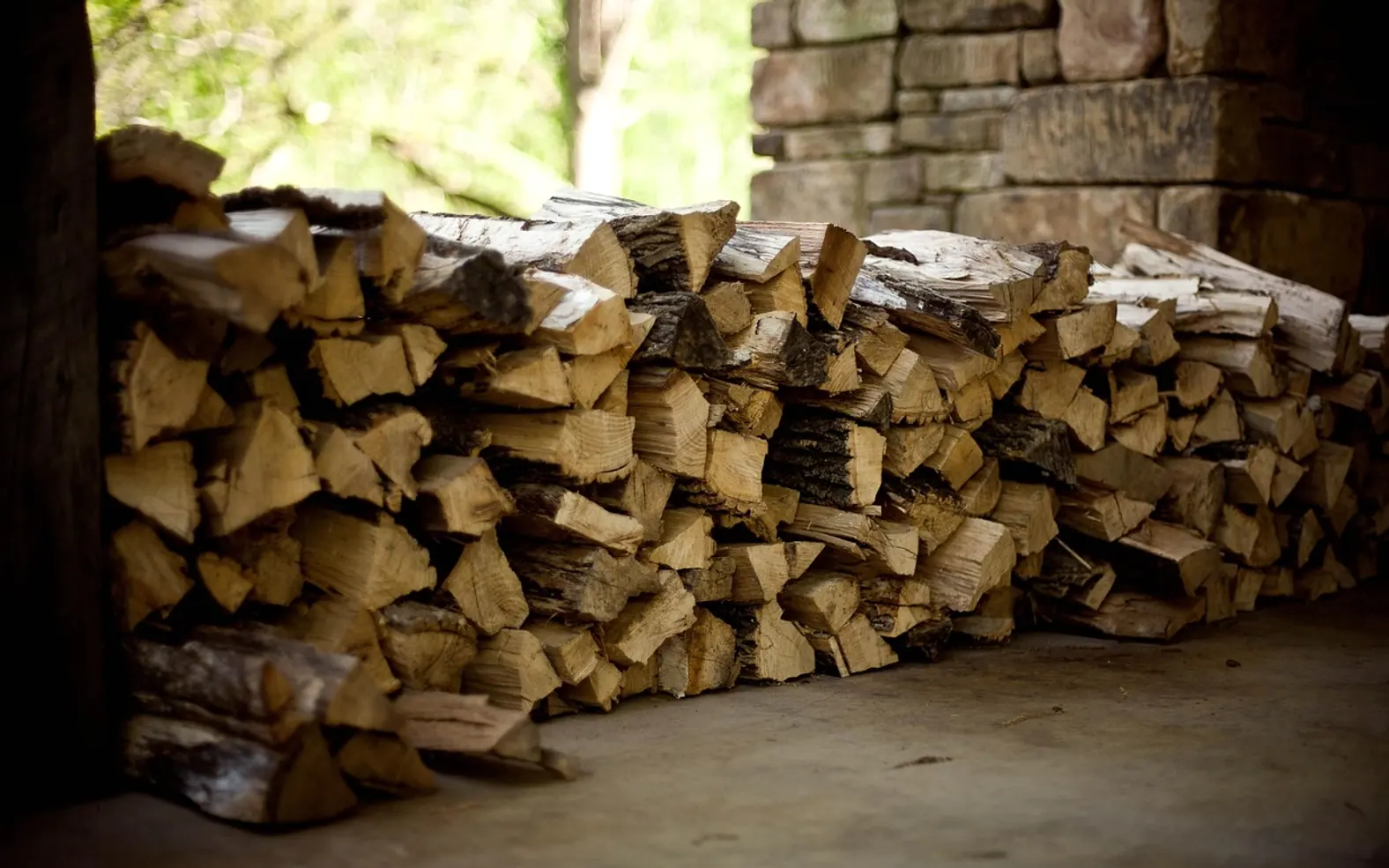
The single best way to cut down on soot and creosote is to burn properly dry wood. Our guide on how to stack firewood so it dries explains how. Never burn painted or treated timber, cardboard boxes, wrapping paper or household rubbish. They foul the flue and can release harmful fumes.
Cleaning the hearth fits nicely into the wider autumn routine described in how to winterize a house. Do it on a quiet afternoon, light the first fire of the season that evening, and enjoy how much brighter the flames look against clean brick.
Small jobs
Little habits that save a cold morning
Five-minute things that pay back all winter.
Tag the shut-off valve
A bright label on the main water valve saves precious minutes if a pipe ever splits.
Keep a torch by the back door
Fetching logs or checking the yard after dark is easier and safer with a light to hand.
Note the box’s model number
When a streaming box misbehaves, the model number takes you to the right help page much faster.
Wipe the pan while it is warm
Cast iron cleans easiest straight after supper, before anything has had time to set hard.
Something to add?
We read every message.