How to Make a Bird Feeder
Three easy homemade bird feeders, from a pine cone the children can make to a wooden tray for the porch, with tips on seed, placement and keeping it clean.
· 3 min read
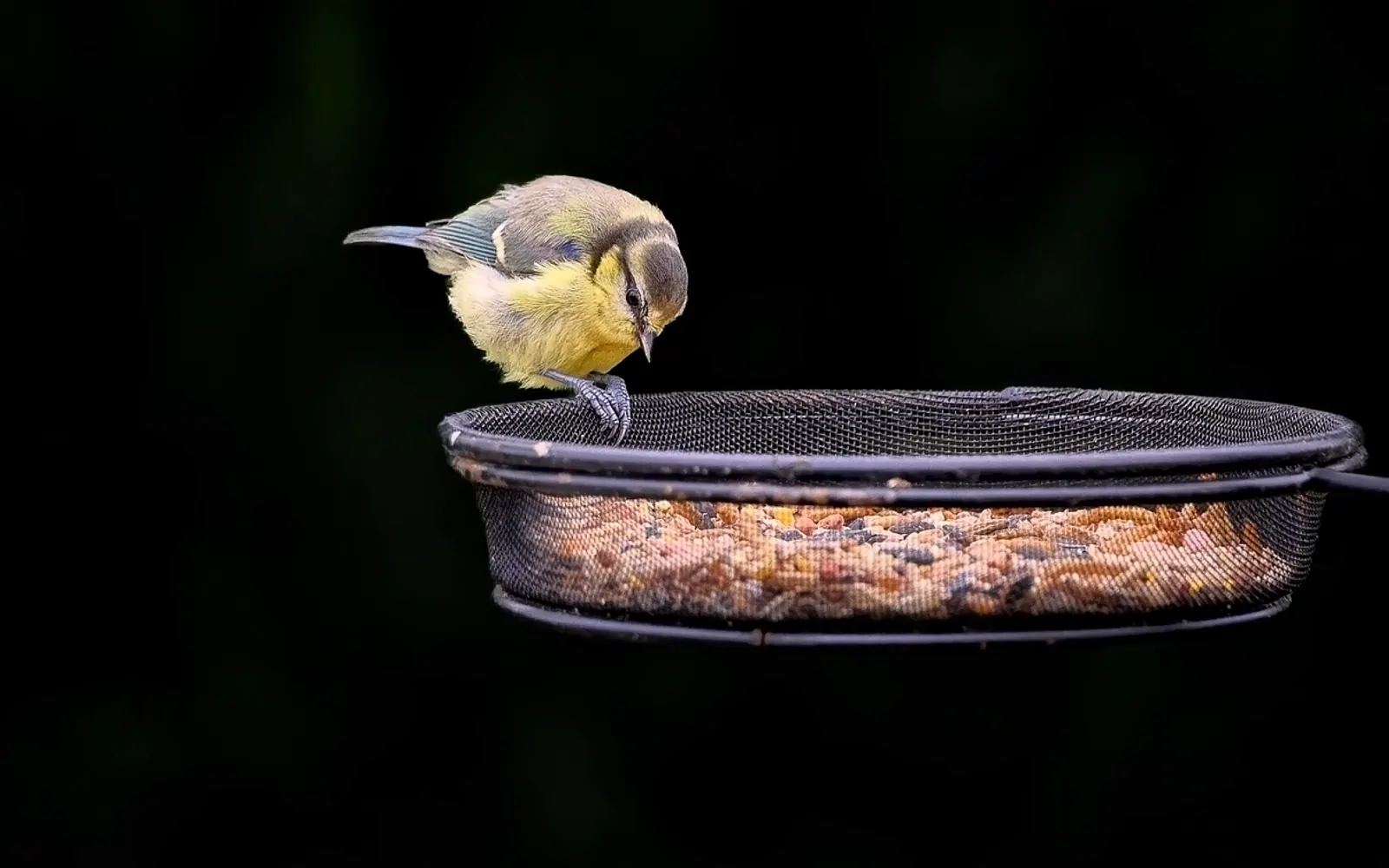
There is a quiet joy in watching the first visitor find a new feeder. Usually it is something small and bold that lands, looks around as if it owns the place, and starts eating. Within a few days word gets around, and the corner of the garden you can see from the kitchen window becomes the busiest spot in the yard.
Making a feeder yourself is an easy afternoon project. Here are three designs, from a five-minute craft to a little bit of woodwork.
1. The pine cone feeder
This one is perfect for children and needs no tools.
- Collect a large, open, dry pine cone and tie a length of garden twine round the top.
- Spread the scales with plain suet, lard or unsalted, unsweetened peanut butter, pressing it into the gaps with a butter knife.
- Roll the cone in a tray of bird seed until it is well coated.
- Hang it from a branch where you can see it from indoors.
Fat-based feeders are best in cool weather, since soft fat can go rancid or smear onto feathers in summer heat. If anyone in the house has a nut allergy, use suet instead of peanut butter.
2. The recycled bottle feeder
A clean plastic drinks bottle turns into a hanging seed feeder in about half an hour.
- Wash the bottle and let it dry completely inside, so the seed does not clump.
- About a third of the way up, push the tip of a pair of scissors through one side and out the other, then slide a wooden spoon through both holes. The bowl of the spoon becomes the perch and dish.
- Widen the hole above the spoon bowl slightly so seed can trickle out onto it.
- Repeat lower down, at right angles, for a second spoon if you like.
- Make a couple of small drainage holes in the base, fill with seed through the neck, screw the cap on and hang it by a wire loop round the neck.
An adult should handle the scissors or craft knife; plastic can slip when you push through it.
3. The wooden tray feeder
A tray or platform feeder welcomes the widest range of birds, including ones that prefer not to cling to a hanging feeder.
- Use untreated, unpainted wood. A square of board forms the base, and four thin strips screwed round the edge stop seed from sliding off.
- Cut out the middle of the base and staple a piece of fine metal mesh over the gap, so rain drains straight through.
- Fix it to a post, set it on four short legs on the ground, or hang it with chain from each corner.
- A small sloping roof keeps the worst of the weather off, but is optional.
Sand any rough edges and wear safety glasses while cutting. If you hang the feeder from a high branch, use a sturdy step ladder on level ground and have someone hold it.
What to put in it
| Food | Good for | Notes |
|---|---|---|
| Black oil sunflower seed | Many small garden birds | A good all-round first choice |
| Nyjer seed | Finches | Tiny seed; needs a feeder with small ports |
| Suet | Woodpeckers, tits, nuthatches | Best in cooler months |
| White millet | Ground-feeding birds | Works well on a tray |
Skip bread, salty leftovers and anything mouldy. Fresh water in a shallow dish matters as much as food, especially when puddles freeze.
Where to put it
Birds like a clear view all round and some cover nearby, such as a shrub they can dart into if a hawk passes. Keep feeders well out of reach of cats lurking in low bushes. Window strikes are a real danger, so place feeders either very close to the glass or a good distance away, and add decals or screens to large windows. If you are tidying the yard for the cold months, as described in how to winterize a house, leave a few seed heads and leaf piles standing; they feed and shelter birds too.
Keep it clean
Dirty feeders can spread illness between birds. Every couple of weeks, and more often in wet weather, empty the feeder, scrub it in hot soapy water, rinse well and let it dry before refilling. Rake up spilled hulls underneath. Wash your hands afterwards.
That is all there is to it. Put the kettle on, pull a chair up to the window and wait. They always come in the end.
Small jobs
Little habits that save a cold morning
Five-minute things that pay back all winter.
Tag the shut-off valve
A bright label on the main water valve saves precious minutes if a pipe ever splits.
Keep a torch by the back door
Fetching logs or checking the yard after dark is easier and safer with a light to hand.
Note the box’s model number
When a streaming box misbehaves, the model number takes you to the right help page much faster.
Wipe the pan while it is warm
Cast iron cleans easiest straight after supper, before anything has had time to set hard.
Something to add?
We read every message.