How to Make Sauerkraut in a Jar
Cabbage, salt and a clean jar are all it takes. A step-by-step guide to homemade sauerkraut, from slicing and salting to tasting, storing and knowing when to throw a batch away.
· 4 min read
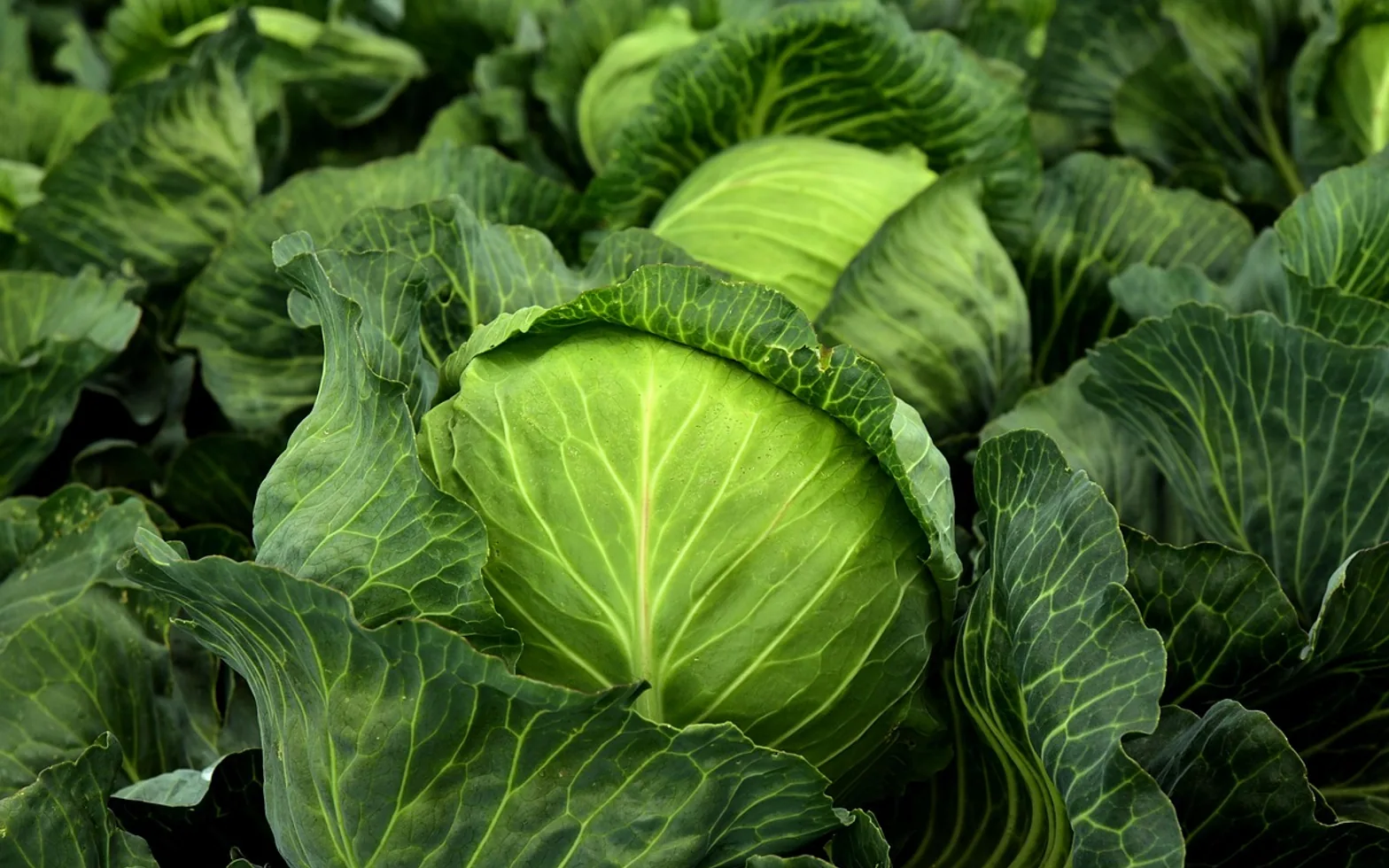
Sauerkraut is shredded cabbage fermented in its own salty juice. Slice a cabbage finely, massage it with salt until it releases liquid, pack it tightly into a jar so the brine covers it, and leave it at cool room temperature for one to four weeks. Taste it along the way and move it to the fridge when you like the flavour.
There is no vinegar, no cooking and no special starter. The bacteria that turn cabbage sour are already living on the leaves.
How the fermentation works
Salt draws water out of the cabbage and creates a brine. Under that brine, away from air, lactic acid bacteria multiply and convert the natural sugars in the cabbage into lactic acid. As the acid builds up, the kraut turns tangy and the environment becomes hostile to the organisms that cause spoilage. That is why the two rules that matter most are using enough salt and keeping everything submerged.
What you need
- One firm head of green or red cabbage
- Non-iodised salt, such as pickling salt, kosher salt or fine sea salt without additives
- A large mixing bowl and a sharp knife or mandoline
- A wide-mouth glass jar, or two, scrubbed clean in hot soapy water
- A weight to hold the cabbage down: a fermentation weight, a small clean jar that fits inside the neck, or a zip bag filled with brine
- A loose lid, an airlock lid or a cloth secured with a band
Step by step
- Weigh the cabbage. Pull off a couple of outer leaves and set them aside. Quarter the head, cut out the core and weigh what remains.
- Work out the salt. A common guide is about 2 percent of the cabbage weight, so roughly 20 g of salt for every kilogram of cabbage. Less salt risks soft, spoiled kraut; much more slows fermentation and tastes harsh.
- Slice thinly. Aim for ribbons a few millimetres wide. Even slices ferment evenly.
- Salt and massage. Toss the cabbage with the salt in the bowl, then squeeze and scrunch it with clean hands. After five to ten minutes it will look wet and limp, with a pool of brine in the bottom of the bowl.
- Pack the jar. Press the cabbage in a handful at a time, pushing down hard with your fist or a wooden tamper so the brine rises above it. Pour in any liquid left in the bowl. Leave a few centimetres of space at the top.
- Cover and weigh down. Fold one of the reserved outer leaves over the surface, then set the weight on top so every shred stays below the brine.
- Cover loosely. Gas is produced during fermentation, so the jar must be able to vent. Stand it on a plate to catch any overflow.
If, after a day, the brine still does not cover the cabbage, top it up with a little salt water mixed at about the same 2 percent strength.
How long to ferment
| Stage | What you will notice |
|---|---|
| First few days | Bubbles, some fizzing and a rising brine level |
| About one week | Lightly sour, still crunchy and bright |
| Two to three weeks | Fuller tang, softer texture, deeper flavour |
| Four weeks and beyond | Strong, classic kraut character |
A cool spot, roughly the temperature of a cellar or a north-facing pantry, gives the best texture. Warm kitchens ferment faster and can make the kraut soft. Start tasting with a clean fork after about five days and stop whenever you like the taste.
Storing it
Once the flavour suits you, close the jar with a proper lid and move it to the fridge. Cold slows fermentation almost to a stop, and refrigerated sauerkraut keeps well for months as long as it stays covered in brine and you always use a clean utensil to serve it.
Spoilage and safety
Fermentation at home is generally simple, but it is worth knowing what is normal and what is not.
- Normal: bubbles, cloudy brine, a sour smell, a little overflow, and a thin white film on the surface known as kahm yeast. Kahm is harmless but can taste off; skim it away.
- Not normal: fuzzy mould in blue, green, black or pink, a slimy texture, or a rotten smell rather than a sour one.
If you see fuzzy mould or the kraut smells genuinely bad, discard the whole batch rather than trying to rescue it. Anyone with a medical condition, a weakened immune system, or who has been advised to watch their salt intake should check with a doctor before adding fermented foods to their diet.
Common mistakes
Why is my sauerkraut mushy?
Usually too little salt, too much warmth or cabbage that was not fresh. Firm, heavy heads and a cooler spot make a noticeable difference.
Why is there not enough brine?
Older cabbage holds less water. Massage longer, press harder, and top up with salt water if needed.
Can I add other vegetables?
Yes. Grated carrot, a little apple, caraway seeds, juniper berries or sliced garlic are traditional additions. Keep the salt calculated on the total weight of everything in the bowl.
Making it part of the kitchen routine
A jar of kraut quietly working on the shelf pairs naturally with other slow kitchen projects. If you enjoy the rhythm of feeding and watching a culture, try making a sourdough starter next. And sauerkraut is at its best warmed through with sausages in a cast iron skillet, served on a cold night with good bread on the side.
Small jobs
Little habits that save a cold morning
Five-minute things that pay back all winter.
Tag the shut-off valve
A bright label on the main water valve saves precious minutes if a pipe ever splits.
Keep a torch by the back door
Fetching logs or checking the yard after dark is easier and safer with a light to hand.
Note the box’s model number
When a streaming box misbehaves, the model number takes you to the right help page much faster.
Wipe the pan while it is warm
Cast iron cleans easiest straight after supper, before anything has had time to set hard.
Something to add?
We read every message.